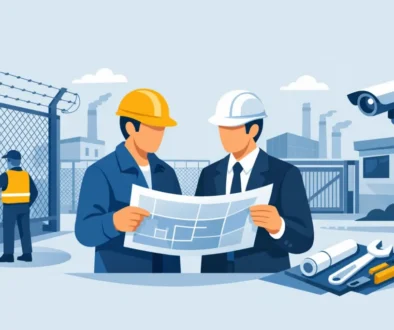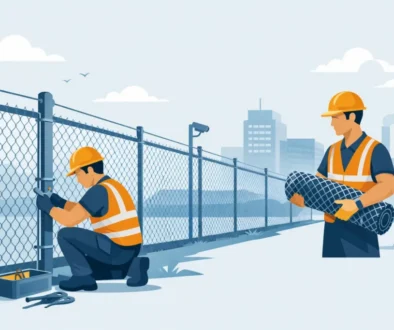

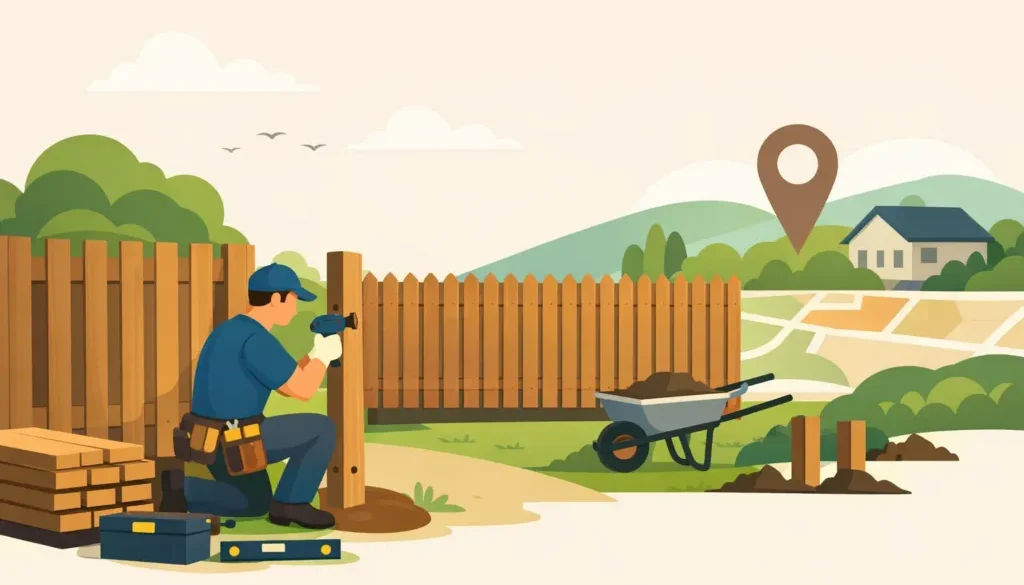
A wood fence can solve a problem fast. It can give a backyard more privacy, define a property line, improve safety for kids and pets, and clean up the look of an aging exterior. When people search for wood fencing installation near me, they are usually not browsing casually. They want a fence that looks right, lasts, and gets installed without delays or shortcuts.
That search makes sense, especially in the Twin Cities. A wood fence in Minneapolis or St. Paul has to do more than look good on day one. It needs to handle changing temperatures, moisture, seasonal ground movement, and daily use. That is why the quality of the installation matters just as much as the material itself.
What to expect from wood fencing installation near me
A good wood fence project starts with the property, not the product catalog. Yard slope, soil conditions, drainage, lot lines, and local code requirements all affect the right approach. Two homes on the same block can need different installation methods depending on layout and intended use.
For homeowners, the goal is often privacy and curb appeal. A six-foot privacy fence may be the right fit for a backyard, while a more open design could work better along the front or side of the property. For commercial sites, wood fencing may be used to screen dumpsters, service areas, or utility spaces where appearance matters as much as function.
The installation process should feel organized from the start. That includes a site visit, clear measurements, style recommendations, material selection, and a written estimate. From there, proper layout and post setting are what determine how the fence performs over time. If those basics are rushed, even quality lumber will not make up the difference.
Why local installation quality matters
Wood fencing is not one-size-fits-all. Local climate and soil conditions have a direct impact on how a fence should be built. In the Twin Cities, freeze-thaw cycles can put real stress on posts and rails. Moisture management also matters. If water collects in the wrong places or wood sits too close to grade, the life of the fence can be shortened.
That is one reason local experience matters when comparing contractors. A fence installer who understands regional conditions is more likely to recommend the right post depth, spacing, hardware, and wood options for long-term durability. The result is a fence that stays straighter, stronger, and more attractive through the seasons.
There is also the issue of permitting and property lines. An experienced local contractor should know the process, flag common setbacks, and help prevent avoidable issues before work begins. That can save time and protect the investment.
Choosing the right wood fence for your property
The best wood fence is the one that matches how the property is used. Privacy is the main priority for many residential customers, but appearance, airflow, visibility, and budget also play a role. A solid privacy fence creates separation and security, but it may not be the best fit for every frontage or side yard. A decorative wood fence can frame a space well without making it feel closed off.
Height matters too. Taller fences increase privacy and containment, but they may be subject to different local requirements. Design details such as board orientation, top trim, gate placement, and post cap style affect the finished look more than many customers expect. Small choices can make a fence feel basic or fully finished.
For commercial and multi-family properties, wood fencing often serves a practical screening purpose. In those cases, durability and layout are usually more important than decorative detail. The fence still needs to present the property well, especially where tenants, customers, or visitors will see it every day.
Material choices and long-term value
Not all wood fences perform the same way, even when they look similar at installation. Wood species, board quality, fasteners, and finishing all affect longevity. Pressure-treated lumber is commonly used for structural strength, especially in posts, while other wood options may be selected for appearance.
There is always a trade-off between upfront cost and long-term maintenance. Some customers want the most affordable way to enclose a yard. Others are willing to spend more on a cleaner design, thicker material, or upgraded details that add visual value. Neither approach is wrong. The key is choosing a fence that fits both the property and the expectations for upkeep.
Wood fencing does require maintenance. That is part of owning a natural material. Staining or sealing can help protect the fence and keep it looking better over time, but weathering is still normal. If low maintenance is the top priority, another material might make more sense. If warmth, character, and a classic look matter most, wood remains a strong choice.
Signs a contractor is worth calling
When people search for wood fencing installation near me, they are often trying to sort through a crowded market quickly. Price matters, but it should not be the only filter. A low bid can look appealing until the project starts running late, materials show up inconsistent, or the finished fence begins to lean sooner than it should.
A dependable fencing contractor should be able to explain the process clearly, recommend styles based on actual site conditions, and provide realistic timelines. They should also be comfortable working across different property types. That matters because installation experience on residential, commercial, and industrial projects tends to reflect stronger planning and broader problem-solving ability.
Look for direct communication and detailed estimates. Ask how posts are set, what materials are used, how gates are framed, and what factors could affect the schedule. Clear answers usually indicate a company that has done this work at a high level for a long time.
The value of custom planning
A fence is not just a line of boards. It is part of how a property functions every day. Gate width, access points, equipment clearance, corner transitions, and grade changes all deserve attention before installation starts. These details are where craftsmanship shows up.
Custom planning is especially important on larger lots, commercial properties, or sites with uneven terrain. A fence that follows the grade correctly looks better and performs better. Gates should swing and latch cleanly. Posts should line up consistently. The finished project should feel intentional, not pieced together around field surprises.
That is where a full-service contractor stands apart. A company that can handle design guidance, material supply, and installation keeps the project more consistent from start to finish. For customers in the Twin Cities, Boulevard Fence brings that kind of coordinated experience to residential, commercial, and industrial fencing work.
Wood fencing and curb appeal
Security and privacy may start the conversation, but appearance often closes the deal. A well-built wood fence can make a home look more complete and make a business look more polished. It adds structure to the property and helps define outdoor spaces in a way that feels natural.
The visual impact depends on execution. Straight lines, balanced spacing, properly built gates, and clean transitions all contribute to a professional result. Even a simple privacy fence can raise the appearance of a property when it is installed with care.
That is also why repairs and replacements should not be delayed too long. A fence with failing posts, warped pickets, or sagging gates does more than lose function. It starts to bring down the entire property visually. Replacing it with a properly designed wood fence can change that quickly.
Getting from search to estimate
If you are typing wood fencing installation near me into a search bar, the next step should be a real conversation about your property. A useful estimate is not based on guesswork. It should reflect the site, the fence style, the intended use, and the level of finish you want.
Whether the project is a backyard privacy fence, a perimeter upgrade, or a screening solution for a commercial property, the right installer will focus on fit, durability, and workmanship from the beginning. That leads to fewer surprises and a better result.
A wood fence should do its job every day without asking for attention. When it is designed well and installed correctly, it gives you privacy, definition, security, and a finished look that feels right for the property. If that is what you need, start with a contractor who treats the work like a long-term investment, not just another install.