
A fence usually becomes urgent right after something goes wrong. The dog slips into the neighbor’s yard. A backyard no longer feels private. An aging fence leans after another Minnesota winter and turns curb appeal into a maintenance problem. That is when residential fencing services stop feeling optional and start feeling like a smart property investment.
For homeowners in the Twin Cities, the right fence has to do more than mark a property line. It needs to hold up through freeze-thaw cycles, wind, moisture, and daily use while still looking right for the home. A well-built fence should solve a practical problem now without creating a repair problem a year from now.
What homeowners should expect from residential fencing services
Good residential fencing services start with the property, not a one-size-fits-all recommendation. Yard size, slope, privacy needs, pets, children, neighborhood style, and local requirements all shape the right solution. A fence that works well for a suburban backyard may not be the best fit for a corner lot, a pool enclosure, or a home that needs a more decorative front-facing design.
Homeowners should expect a clear process from consultation to installation. That includes reviewing goals, measuring the site, discussing material options, and identifying any access points or gate needs. It also means honest guidance about trade-offs. Some materials offer a classic look but need more upkeep. Others reduce maintenance but create a different visual effect. The best recommendation balances appearance, durability, function, and budget.
Installation quality matters just as much as material choice. Even a strong fence product can fail early if posts are set poorly, spacing is inconsistent, or the layout ignores the way the yard handles water and seasonal movement. Craftsmanship shows up in the details – straight lines, secure gates, clean finishes, and a fence that feels solid from day one.
Choosing the right fence for your property
The best residential fence is the one that fits how you actually use your outdoor space. Privacy, safety, curb appeal, and ease of maintenance all matter, but not always in the same order.
Wood fencing for privacy and a natural look
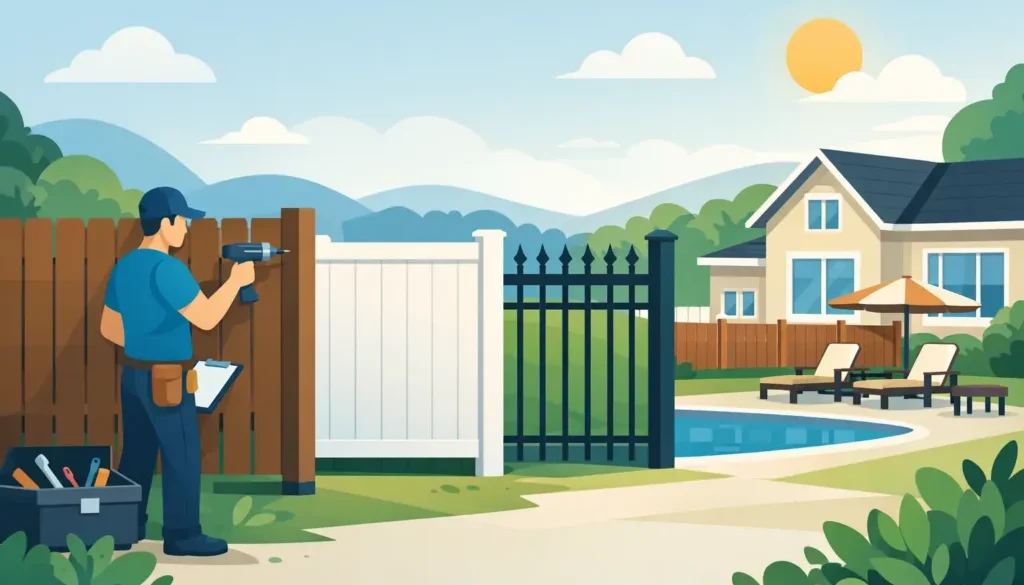
Wood remains a popular choice for homeowners who want warmth, character, and strong privacy. It works especially well in backyards where a natural appearance feels more at home than a manufactured finish. Wood can also be customized in height, style, and spacing, giving homeowners flexibility in how enclosed or open they want the yard to feel.
The trade-off is maintenance. Wood fencing typically requires more attention over time, especially in a climate where moisture and seasonal shifts can take a toll. Staining, sealing, and occasional board replacement may be part of long-term ownership. For many homeowners, the look is worth it. For others, a lower-maintenance material makes more sense.
Vinyl fencing for lower maintenance
Vinyl fencing is a strong option for homeowners who want a clean appearance with less ongoing upkeep. It does not need painting or staining, and it can provide excellent privacy with a more uniform finish than wood. For busy households, that lower-maintenance appeal is often the deciding factor.
That said, style preference matters. Some homeowners prefer the texture and variation of real wood, while others like the crisp consistency of vinyl. Cost can also vary depending on the design and scope of the project. The right choice depends on whether you value traditional appearance more or long-term convenience.
Chain-link fencing for function and value
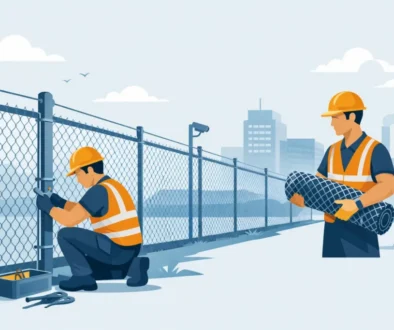
Residential chain-link fencing is often the practical answer when homeowners need security, boundary definition, or pet containment without the higher cost of a full privacy fence. It is durable, effective, and especially useful for larger yards where budget and coverage both matter.
It will not provide visual privacy on its own, so it is not the best fit for every backyard. But for side yards, dog runs, utility areas, or homes where open visibility is preferred, chain-link can be a smart and efficient solution.
Ornamental fencing for curb appeal and definition
Ornamental fencing gives homeowners a more decorative way to define space, secure a front yard, or add architectural character to the property. It is often chosen when appearance is just as important as function. A well-designed ornamental fence can frame a home beautifully while still creating a real sense of perimeter and control.
This style is usually better for visibility than privacy. If seclusion is the main goal, another material may be more effective. If the goal is a polished look with security and structure, ornamental fencing is a strong contender.
Why professional installation makes a difference
A fence can look simple from the street, but installation is where long-term performance is decided. Property lines must be respected. Grades need to be managed correctly. Gates have to swing and latch properly. Posts must be set for strength and consistency, especially in areas where frost and soil movement can create problems over time.
Professional installers also help prevent expensive missteps. Homeowners may underestimate how much site conditions affect the final result. Trees, roots, drainage patterns, existing structures, and narrow access points can all change the installation approach. Experience matters because every yard is different, and the right crew adjusts without compromising quality.
For many homeowners, efficiency matters too. A fencing project should improve the property, not drag on for weeks. Reliable residential fencing services keep the job moving with a clear schedule, proper materials, and an installation process built around durable results.
Residential fencing services and property value
A new fence does more than close off a yard. It changes how a property looks, functions, and feels. Privacy fencing can make outdoor living spaces more usable. Decorative fencing can sharpen curb appeal. Secure fencing can make a yard better for children and pets. In practical terms, that improves day-to-day enjoyment. In market terms, it can also make the home more attractive to future buyers.
That does not mean every fence adds value in the same way. A poorly chosen style can feel out of place. An undersized or lightly built fence may not deliver the privacy or durability the homeowner expected. The strongest return usually comes from matching the fence to the property and installing it with quality that is visible.
In neighborhoods across Minneapolis, St. Paul, and the surrounding metro, homeowners often want fencing that looks right with the home first and performs well for years second. The truth is they should expect both. Appearance and function are not competing goals when the project is planned correctly.
How to choose a fencing contractor with confidence
When comparing contractors, homeowners should look beyond the basic price. The lowest estimate is not always the best value if the installation quality, material grade, or project planning falls short. A fence is an exterior structure exposed to daily wear and harsh weather. It should be built to last, not just built to finish the job quickly.
Ask how the contractor approaches design, material selection, and installation. Look for a company that can handle a range of fence types and explain why one option makes more sense than another. Strong residential fencing services are not about pushing a single product. They are about recommending the right solution for the property.
It also helps to work with a contractor that understands both visual goals and site demands. A homeowner may come in focused on privacy, then realize gate access, neighborhood style, or maintenance expectations should shape the decision too. That kind of guidance is part of the service.
Boulevard Fence takes that approach by offering design, supply, and installation backed by craftsmanship and practical experience across a wide range of fencing needs. For homeowners, that means a more direct path from idea to finished project without guesswork.
When it is time to replace instead of repair
Not every damaged fence needs full replacement. A few loose boards, minor storm damage, or a single gate issue may be repairable. But if the fence is leaning in multiple sections, showing widespread rot, losing structural integrity, or no longer meeting the property’s needs, replacement is often the better long-term move.
This is especially true when homeowners are already unhappy with the fence style, height, or function. Putting money into repeated repairs on an outdated fence may only delay the inevitable. A replacement gives you the chance to correct the original problem, improve appearance, and choose a material that better fits the property.
A good fence should make your home feel more secure, more usable, and more complete. If your current fence falls short in any of those areas, the next step is not to settle for another temporary fix. It is to choose residential fencing services that are built around quality, fit, and lasting value.