
A backyard can feel exposed even when neighbors are friendly. Sightlines from second-story windows, busy sidewalks, adjacent driveways, and nearby patios can make it difficult to enjoy your own outdoor space. If you are asking what fence adds most privacy, the answer is usually a solid-panel fence installed at the right height – but the best material depends on the look, maintenance level, budget, and long-term performance you expect.
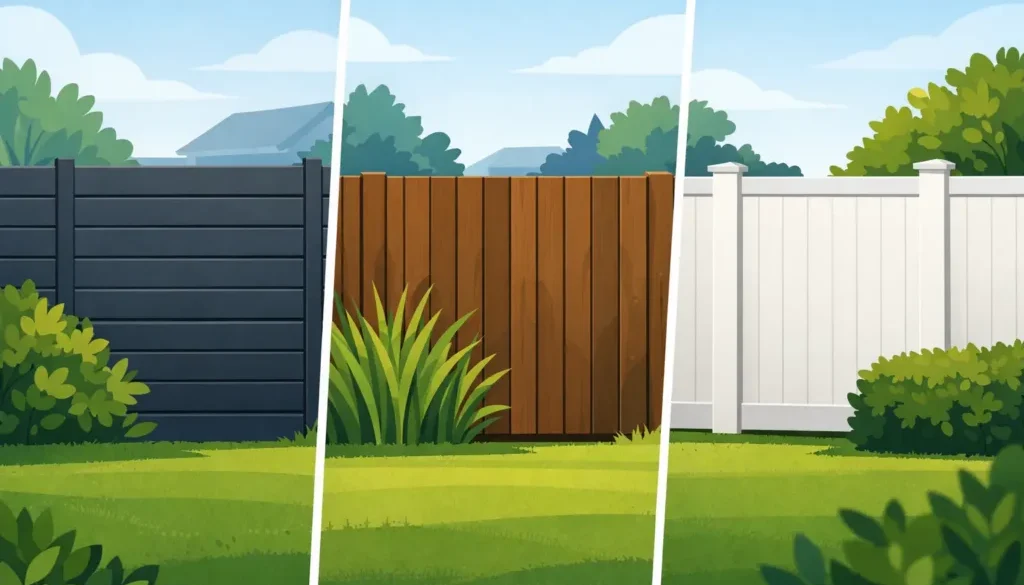
For most Twin Cities homes, wood and vinyl privacy fences are the leading choices. Each creates a continuous visual barrier, defines the property line, and gives families a more comfortable setting for relaxing, entertaining, or letting children and pets play. The right design also improves curb appeal rather than making a yard feel closed in.
What Fence Adds Most Privacy for a Home?
A solid wood or vinyl fence with no gaps between boards adds the most everyday privacy at ground level. A six-foot fence is a common choice for residential backyards because it blocks views from neighboring yards while still fitting many local zoning requirements. Some properties may allow greater height in rear-yard locations, but rules vary by city, neighborhood association, and lot conditions.
The material matters, but fence layout matters just as much. A six-foot solid fence will not fully block a view from a neighbor’s elevated deck or second-floor window. In those situations, a contractor may recommend placing the fence strategically, adding a privacy screen near a patio, or pairing fencing with thoughtfully selected landscaping. The goal is to solve the actual sightline, not simply install the tallest fence possible.
Solid Wood Fencing: Natural Privacy With Design Flexibility
Wood is a longtime favorite because it provides excellent coverage and can be customized to suit nearly any property. A board-on-board wood fence is especially effective for privacy. Its overlapping vertical boards eliminate direct gaps, so the yard remains screened even as wood naturally expands and contracts through Minnesota’s changing seasons.
A stockade-style fence is another strong option. It uses tightly placed boards to create a continuous barrier, often with a traditional flat or dog-ear top. Horizontal wood fencing can provide a more contemporary appearance while delivering the same level of privacy when boards are installed without spacing.
Wood is often the best choice for property owners who want a warm, natural appearance or need a custom solution for uneven terrain, unusual lot lines, or a specific architectural style. It can be stained or painted in a color that complements the home, and damaged boards can often be replaced individually.
The trade-off is maintenance. Wood needs periodic attention to preserve its appearance and performance. Quality installation, proper post setting, and good drainage are essential in the Twin Cities, where snow, moisture, freeze-thaw cycles, and summer sun all affect exterior materials. A well-built wood fence can serve a property for many years, but it will require more upkeep than vinyl.
Best wood styles for maximum screening
For the highest level of visual coverage, choose board-on-board construction or closely installed solid panels. A cap-and-trim detail can give a wood privacy fence a more finished appearance while protecting exposed board ends from moisture. Decorative lattice at the top can add style, though it reduces full screening in that upper section and may not be ideal where privacy is the top concern.
Vinyl Fencing: Low-Maintenance, Consistent Coverage
Vinyl privacy fencing offers the clean, solid look many homeowners want without the regular staining or painting associated with wood. Quality vinyl panels create a dependable screen with no gaps, and their smooth finish works well for traditional homes, newer developments, pool areas, and side yards.
For homeowners focused on low maintenance, vinyl is often the practical answer to what fence adds most privacy. It resists rot, insects, and moisture damage, and it does not need to be sealed. Routine cleaning is generally enough to keep it looking sharp.
Vinyl also provides a consistent appearance across a long fence line. This can be valuable on properties with highly visible rear or side boundaries, where an aging fence would affect curb appeal. Available colors and styles vary, but white, tan, and neutral shades remain popular choices for blending with residential exteriors.
Its limitations are worth considering. Vinyl is less easily customized in the field than wood, and repairs may involve replacing a section rather than a single board. In very cold weather, impact damage is possible if a panel is struck hard. Professional installation helps ensure posts, rails, and panels are properly secured for local conditions.
Composite Fencing: Privacy With a Premium Finish
Composite fencing can be an excellent option for property owners who want the appearance of wood with reduced maintenance. Many composite systems use engineered materials and solid or nearly solid panels to create a substantial privacy boundary. Their polished look can be a strong fit for upscale outdoor living areas and modern home designs.
The main consideration is cost. Composite fencing typically has a higher upfront price than standard wood or vinyl. It may still make sense when long-term appearance, limited maintenance, and a premium design are priorities. As with any material, product quality and installation details make a difference in durability.
Why Chain-Link and Ornamental Fences Offer Less Privacy
Chain-link and ornamental metal fencing are dependable solutions for security, boundary definition, and visibility, but they do not provide full privacy by themselves. Their open construction allows air and sightlines to pass through. That can be an advantage for commercial sites that need visibility or homeowners who do not want a closed-in yard.
Privacy slats can be added to chain-link fencing, but they do not create the same complete screen as solid wood, vinyl, or composite panels. Slats are often useful when a property needs a practical balance of affordability, enclosure, and partial visual separation. For maximum privacy around a residence, a solid fence remains the better investment.
Height, Gaps, and Placement Matter as Much as Material
A privacy fence is only as effective as its design. Even the best material will not deliver the expected result if it is too short, set back from the area being used, or built with gaps that face a neighbor’s primary viewing angle.
Start by identifying where privacy is most needed. For some homes, that is the entire backyard perimeter. For others, it is a patio, hot tub, pool area, garbage enclosure, or side-yard walkway. A partial privacy fence can be more cost-effective than enclosing every boundary, especially when the concern is limited to one exposed area.
Before construction begins, property owners should confirm lot lines and review city requirements. Fence height, placement near streets or intersections, gate locations, and setback requirements can all affect the project. Homeowners association standards may also limit styles, colors, or heights. Addressing those details before installation helps avoid expensive changes later.
Choosing a Privacy Fence That Fits Your Property
The best privacy fence should work with the way you use the property. A family with an active backyard may prefer a six-foot vinyl fence for easy upkeep and reliable screening. A homeowner restoring a classic Minneapolis or St. Paul property may favor custom wood for its character and flexibility. A commercial property may need a combination of solid screening, chain-link security fencing, and controlled-access gates.
Consider the view from both sides of the fence as well. A well-designed privacy fence should look intentional from the street, the yard, and adjacent properties. Details such as post caps, trim, gate placement, and transitions around landscaping help turn a functional barrier into a finished part of the property.
Professional guidance is especially useful for sloped yards, challenging soil, long fence runs, and projects that combine privacy with security or automated access. Boulevard Fence helps Twin Cities property owners select fencing solutions that match their site, priorities, and budget, then installs them with the quality needed for lasting performance.
The strongest privacy result usually comes from a solid fence designed around real sightlines, not a one-size-fits-all panel choice. Whether wood, vinyl, or composite is the right fit, a carefully planned fence can make your outdoor space feel like it truly belongs to you.


