
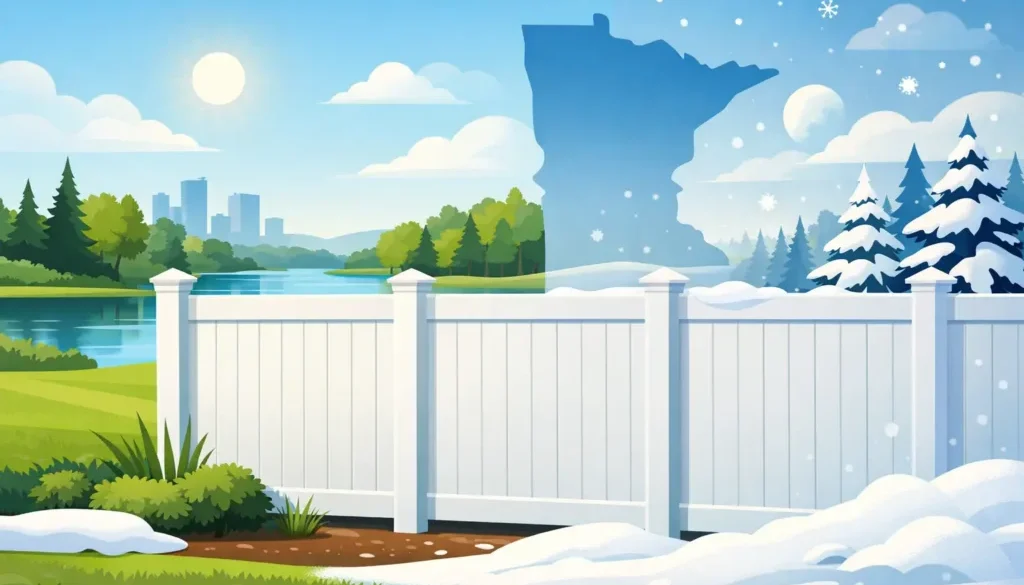
A vinyl fence may look nearly identical from one yard to the next, but its service life can be very different. Homeowners often ask, how long do vinyl fences last, especially when comparing a low-maintenance vinyl privacy fence with a wood or chain-link option. In the Twin Cities, a properly selected and professionally installed vinyl fence can commonly last 20 to 30 years or longer.
That range is not a promise that every fence will perform the same way. Material quality, installation practices, exposure to sun and wind, soil conditions, and everyday use all affect how well a fence holds up. The right vinyl fence is a long-term property improvement, but it still needs to be designed and installed for the conditions it will face.
How Long Do Vinyl Fences Last? A Realistic Expectation
Most quality vinyl fencing is built to provide decades of reliable privacy, boundary definition, and curb appeal. Unlike wood, vinyl does not rot, attract termites, splinter, or require routine staining and painting. Those advantages make it an appealing choice for busy homeowners, property managers, and commercial owners who want a clean, finished appearance without a demanding maintenance schedule.
A well-built vinyl fence can often remain structurally sound for 20 to 30 years. Premium materials and careful installation may extend that lifespan further. Lower-grade products, on the other hand, can become brittle, fade unevenly, sag, or crack earlier than expected, particularly after years of harsh weather.
For Minnesota property owners, the practical question is not simply whether vinyl lasts. It is whether the fence system is strong enough for local winters, seasonal ground movement, wind exposure, and the way the property is used. A privacy fence enclosing a quiet backyard has different demands than a perimeter fence beside a busy commercial lot or an enclosure with frequent gate traffic.
What Determines a Vinyl Fence’s Lifespan?
Vinyl is a durable material, but the performance of a finished fence depends on more than the panels. Posts, rails, fasteners, gates, footings, layout, and installation all work together. A weak point in one area can shorten the useful life of the entire system.
Vinyl Material Quality
Not all vinyl fencing is manufactured to the same standard. Quality panels are made with formulations designed to resist ultraviolet exposure, temperature changes, and impact. They often have thicker wall construction and better internal support than budget-grade products.
Thin vinyl can feel flexible during installation, but excessive flexibility is not always a benefit. Over time, light-duty rails may sag under their own weight or shift when exposed to wind. A stronger fence profile is particularly valuable for full-height privacy fencing, long fence runs, and properties with limited wind protection.
Color also matters. White vinyl remains a popular choice because it offers a classic appearance and generally shows sun fading less noticeably. Darker colors can create a sharp, modern look, but they absorb more heat and should be selected from product lines engineered to handle that expansion and contraction.
Installation Below the Frost Line
Minnesota winters put every outdoor structure to the test. When soil freezes and thaws, it can move fence posts that were not installed at an appropriate depth or secured correctly. Posts that shift out of alignment can cause rails to pull, panels to lean, and gates to stop latching properly.
Professional installation addresses these risks from the beginning. Proper post depth, suitable concrete footings where needed, accurate spacing, and consistent alignment give the fence a stable foundation. The installation team should also account for slopes, drainage patterns, utilities, and access points before setting the first post.
This work is not just about appearance on installation day. Straight posts and properly supported rails help the fence resist movement and reduce long-term stress on vinyl components.
Sun, Wind, and Physical Impact
Vinyl fencing stands up well to normal rain, snow, and moisture, but prolonged sun and wind exposure still matter. UV inhibitors help protect the material from fading and brittleness, while a sound post-and-rail system helps the fence handle gusts without excessive movement.
Wind is a significant consideration for solid privacy fencing. Because privacy panels block airflow, they can act like a sail in strong storms. A contractor may recommend a different layout, reinforced posts, or a style that allows more air to move through in especially exposed areas.
Physical impact is another common cause of damage. Lawn equipment, snowplows, falling branches, recreational equipment, and vehicles can crack vinyl even when the fence is otherwise in excellent condition. Vinyl is durable, but it is not indestructible. Gates deserve extra attention because repeated opening, closing, and leaning can put added pressure on posts and hardware.
Gate Design and Hardware
A fence may have decades of life left, while its gate begins to show trouble much sooner. Gates are moving parts, so their performance depends on solid hinge posts, properly sized hardware, good alignment, and sensible use.
For wider walk gates, double gates, commercial access points, or automated entrances, the support structure must match the opening and traffic level. A gate that sags can strain adjoining fence sections and create a security issue. Selecting the right gate design from the start is one of the most effective ways to protect the investment in the full fence line.
Vinyl Fence Maintenance Is Simple, Not Zero
One reason vinyl is so popular is that it needs far less upkeep than wood. There is no need to scrape peeling paint, apply stain, or worry about moisture-driven rot. Still, a few basic habits can keep the fence looking better and help identify small issues before they become larger repairs.
Wash the fence periodically with a garden hose, mild soap, and a soft brush or cloth. This removes dirt, grass stains, pollen, and surface mildew that can collect in shaded areas. Avoid abrasive cleaners, harsh solvents, and aggressive pressure washing, which can scratch or damage the surface.
It is also wise to walk the fence line after major storms and at the start of each spring. Look for leaning posts, loose caps, cracked rails, damaged panels, or gate latches that no longer line up. Keep heavy snow piles and landscaping equipment away from the fence when possible. Shrubs and vines should be trimmed back so moisture and debris do not remain trapped against the panels.
These small checks do not require extensive maintenance, but they can prevent a minor adjustment from becoming a more involved repair.
When Vinyl May Not Be the Best Choice
Vinyl fencing is an excellent fit for many residential and light commercial properties, but every project should start with the property’s actual needs. If maximum perimeter security is the priority, commercial chain-link, ornamental steel, or a specialized access-control solution may be a better fit. If a property owner wants a natural material that can be custom-stained or modified over time, wood may offer more design flexibility.
Vinyl also has a distinct appearance. It delivers clean lines and consistent color, but it does not replicate the texture and variation of real wood. For some homes, that polished uniformity is exactly the goal. For others, a different material may better match the architecture, neighborhood, or landscape plan.
The best decision balances privacy, security, maintenance expectations, budget, exposure, and visual style. A fence should solve the practical problem first, then complement the property.
Signs It Is Time to Repair or Replace a Vinyl Fence
A vinyl fence does not need replacement simply because it is older. Many issues can be repaired when caught early, especially if damage is limited to a panel, rail, cap, latch, or section of hardware. However, repeated cracking, widespread discoloration, severely leaning posts, persistent rail separation, or multiple failing gates can indicate a larger system problem.
If posts are moving, the issue may be related to the original footing depth, soil conditions, or years of frost heave. If panels are brittle and cracking in several locations, the material itself may have reached the end of its useful service life. An on-site assessment can determine whether a targeted repair is practical or whether replacement will provide better long-term value.
A fence should continue to protect the property and present it well. When it no longer does either reliably, it is time to consider the next step.
Make Vinyl Fence Longevity Part of the Plan
The longest-lasting vinyl fences are not chosen from a photo alone. They are matched to the property, installed with precision, and supported by quality components from the posts to the gates. That approach matters whether the goal is backyard privacy in Minneapolis, a clean boundary around a St. Paul rental property, or a durable enclosure for a commercial site.
Boulevard Fence helps Twin Cities property owners select and install fencing built for dependable performance, attractive curb appeal, and the demands of local weather. A free estimate is a practical place to start when you want clear recommendations for your property, not a one-size-fits-all answer.


