
A backyard fence usually gets judged on two things right away – how it looks from the patio and whether it actually solves the problem. If the goal is to secure pets, define your property line, and keep maintenance low, a chain link fence for backyard use is often a smarter option than people expect. It is practical, durable, and cost-effective, and with the right layout and finish, it can look clean and intentional rather than purely utilitarian.
For many Twin Cities homeowners, that balance matters. A fence has to stand up to weather, hold up over time, and make everyday life easier. It also has to fit the way you use your yard, whether that means creating a safe play area, containing a dog, or adding a dependable boundary around the property.
Why a chain link fence for backyard spaces makes sense
Chain link remains one of the most reliable fencing options for homeowners who want security without constant upkeep. Unlike wood, it will not rot, warp, or need regular staining. Unlike some decorative materials, it is built first for performance. That makes it a strong choice for families who want a fence that does its job year after year.
Cost is another reason it stays popular. A chain link fence typically provides solid perimeter protection at a lower price point than many wood, vinyl, or ornamental options. If you have a large backyard, that difference can be significant. You can fence more linear footage without pushing the project beyond budget.
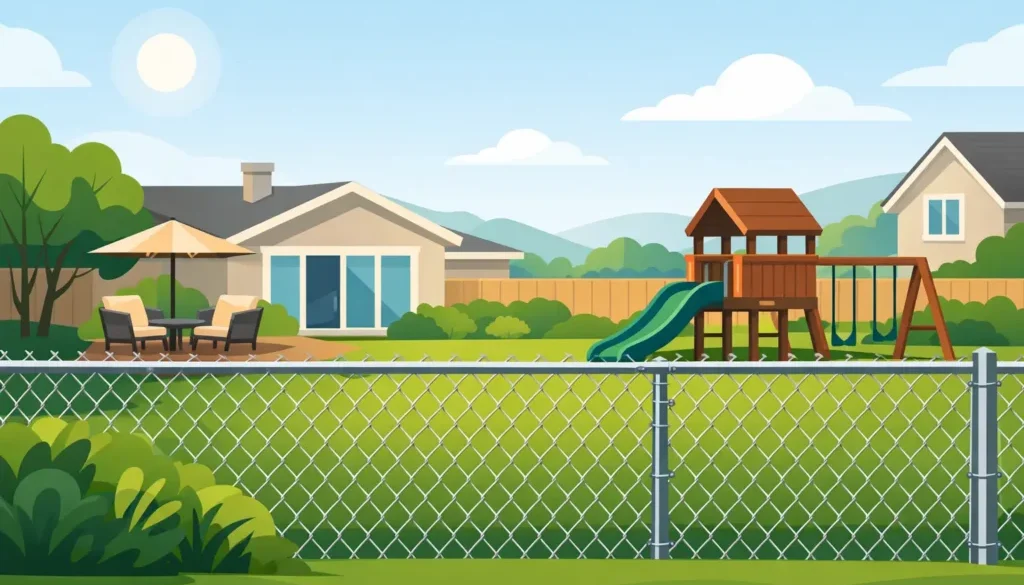
Visibility is a benefit that should not be overlooked. Because chain link allows you to see through the fence, it can make a yard feel more open. Parents can keep an eye on children. Pet owners can monitor activity outside the fence line. Homeowners with scenic lots may prefer a boundary that does not block the view.
Where chain link works especially well
Not every backyard has the same needs. For some properties, privacy is the main priority. For others, it is containment and durability. Chain link tends to work especially well when the main objective is creating a secure enclosure with low long-term maintenance.
It is often a good fit for homes with dogs, especially active breeds that need room to move. It also works well for corner lots, larger suburban yards, and side or rear property boundaries where function matters more than a fully enclosed visual barrier. In neighborhoods where homeowners want a neat, professional-looking fence without heavy visual weight, chain link can be the right middle ground.
It also adapts well to uneven terrain. Backyards with slope changes can be more difficult and more expensive to fence with certain materials. Chain link can often be installed efficiently on grades, which helps avoid awkward gaps or costly design work.
What to consider before installing backyard chain link
The biggest trade-off is privacy. Standard chain link does not create a screened-off backyard on its own. If your main goal is blocking views from neighbors or the street, wood or vinyl may be a better fit. That said, privacy slats or landscape screening can sometimes improve seclusion while keeping the strength and affordability of chain link.
Appearance is another factor, and this is where quality installation matters. A poorly planned fence can make even good materials look out of place. Proper post spacing, clean gate alignment, and a layout that fits the property all make a visible difference. For homeowners who want a more polished look, black vinyl-coated chain link is often worth considering. It has a cleaner, more finished appearance than standard galvanized steel and tends to blend into the landscape better.
You will also want to think about height. A shorter fence may be enough to define a boundary, but pet owners and families often need something taller for safety and containment. Gate placement matters too. A backyard fence should work with the way you move through the property, not force awkward access points after the fact.
Choosing the right chain link fence for backyard needs
The best fence starts with the job it needs to do. If you need a basic perimeter around a modest yard, a standard residential chain link system may be all you need. If you have larger dogs, higher traffic, or want a more upgraded look, heavier framework and coated materials may make better long-term sense.
For homeowners focused on value, galvanized chain link is a dependable choice. It is strong, weather-resistant, and proven over time. For homeowners who care just as much about curb appeal, black-coated chain link is often the better option. It offers the same practical benefits while giving the fence a more refined appearance.
Gate design should be part of the conversation from the start. A backyard fence is only as convenient as its access points. A single walk gate may work for everyday use, but some properties benefit from a wider opening for lawn equipment, storage access, or future improvements. Thinking that through early helps avoid changes later.
Installation quality matters more than most people think
Chain link is known for durability, but performance depends on more than the material itself. The installation has to be right. Posts need proper depth and spacing. The fence line needs to follow the yard accurately. Gates need to swing and latch cleanly. These details affect how the fence looks on day one and how it performs years later.
In Minnesota, freeze-thaw cycles and seasonal ground movement can expose shortcuts quickly. That is why experienced installation matters. A professionally installed fence is more likely to stay straight, remain secure, and handle local conditions without premature issues.
This is also where homeowners benefit from working with a full-service contractor rather than trying to piece together decisions on their own. Site conditions, property lines, city requirements, and layout planning all influence the final result. A contractor with residential fencing experience can recommend the right system based on how your backyard is actually used.
Backyard chain link and curb appeal
Some homeowners hear “chain link” and picture a strictly functional fence with no design value. That is outdated thinking. While chain link is still one of the most practical fence styles available, it can absolutely support a clean and well-kept property appearance when chosen and installed carefully.
Color matters. Black chain link often looks less industrial and more intentional in a residential setting. It frames a yard without dominating it. Landscaping also plays a role. A fence set against well-maintained grass, shrubs, or mulch beds tends to feel integrated into the property rather than added as an afterthought.
The layout should match the house and lot. A fence that respects sightlines, aligns with the yard, and uses gates where they make sense will always look better than one installed with only the shortest route in mind. Good craftsmanship is visible, even in a straightforward material.
Is chain link the right choice for your backyard?
It depends on your priorities. If you want the highest level of visual privacy, chain link may not be the first recommendation. If you want a durable, cost-effective, low-maintenance fence that secures your backyard and stands up well over time, it is one of the strongest options available.
For many homeowners, the right answer is not about choosing the most decorative fence. It is about choosing the fence that solves the real problem without creating new ones. Chain link does that well. It keeps the yard usable, defines the space clearly, and delivers dependable performance without demanding much upkeep.
At Boulevard Fence, we see that decision most often from homeowners who want straightforward value and professional results. They want a fence that works, looks clean, and holds up. When that is the goal, chain link is often the right fit.
The best backyard fence is the one you stop worrying about once it is installed – because it looks right, functions the way it should, and keeps doing its job season after season.