
How to Choose a Driveway Gate That Fits
A driveway gate is the first point of control on your property. It affects who can enter, how vehicles move through the site, and how your home or business looks from the street. Knowing how to choose driveway gate options that fit your property starts with more than picking a style. The right gate must work reliably in Minnesota weather, match the layout of your driveway, and provide the level of security and convenience you expect.
For a residential property, a driveway gate may create a safer boundary for children, pets, vehicles, and outdoor living areas. For a commercial or industrial site, it can help manage traffic, protect equipment, and limit unauthorized access. A well-planned gate delivers all of those benefits without becoming difficult to operate or maintain.
Start With the Gate’s Primary Job
The best driveway gate depends on what it needs to accomplish every day. Some property owners want a clear visual boundary and added curb appeal. Others need controlled access, privacy, or a stronger security measure. Those goals influence the gate material, height, infill design, operator, and locking hardware.
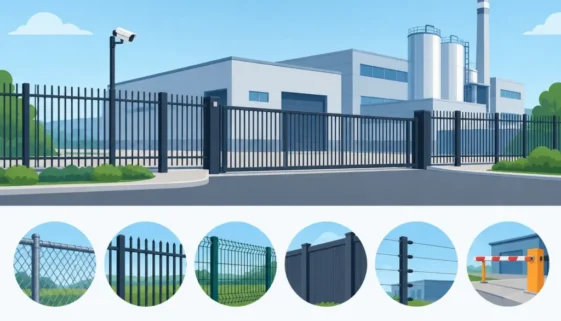
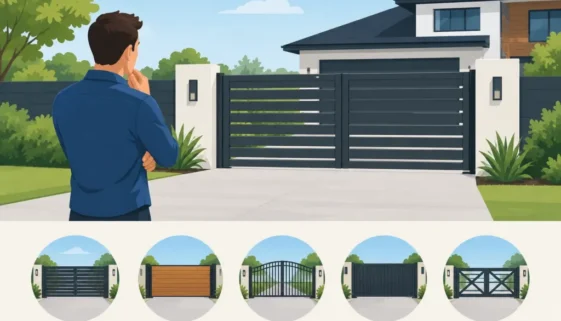
A decorative ornamental gate, for example, can give a residential entrance a refined appearance while maintaining visibility. A solid wood or vinyl gate may be a better fit where privacy is the priority. Chain-link gates are often practical for commercial yards, service areas, and industrial properties where durability, visibility, and cost control matter most.
Think about the people and vehicles using the entrance, too. A family driveway might see cars, delivery drivers, lawn equipment, and guests. A business entrance may need to accommodate employee traffic, box trucks, emergency vehicles, or multiple access schedules. A gate that looks right but does not fit daily use will quickly become a frustration.
How to Choose a Driveway Gate Size and Layout
Gate width is one of the most important decisions. Measure the clear opening where vehicles need to pass, not just the existing driveway pavement. Account for turning room, posts, slopes, landscaping, curbs, and the width of the largest vehicle likely to use the entrance.
A standard passenger vehicle may fit through a relatively narrow opening, but a wider gate often makes entry easier and reduces the risk of clipped posts or damaged gate panels. If moving trucks, trailers, snowplows, service vehicles, or emergency responders may need access, plan for them from the beginning. Widening an entrance after installation can add unnecessary expense.
Swing Gates
Swing gates open inward or outward on hinges and can be built as a single panel or a pair of panels meeting in the middle. They are a popular choice for residential driveways because they can create a traditional, substantial entrance.
Swing gates need enough clear space to open fully. They are generally not the right choice when a driveway rises sharply at the entrance, when a gate would swing into a public sidewalk or street, or when parked vehicles regularly sit close to the gate line. Snow accumulation also needs attention. The gate should have enough clearance to operate after a typical Twin Cities snowfall.
Sliding Gates
Sliding gates move parallel to the fence line, making them useful on properties with limited depth behind the gate or sloped driveways. They are often a strong choice for commercial and industrial access points, especially where wide openings are needed.
The trade-off is that a sliding gate requires sufficient room along the fence line for the gate to travel. The track, cantilever system, and operator also need a properly prepared base. A professional site assessment can determine whether the property has the space and ground conditions for this configuration.
Select a Material That Matches the Property
Driveway gate materials should complement the fence, building exterior, and long-term maintenance expectations. Appearance matters, but strength, weather resistance, and the gate’s weight are equally important, particularly when automation is involved.
Ornamental steel or aluminum gates offer a clean, upscale look and work well for properties where curb appeal and visibility are both priorities. Steel provides considerable strength and can be a good option for security-focused applications. Aluminum resists corrosion and is lighter, which can be beneficial for certain gate designs and operators.
Wood gates bring warmth and privacy to residential properties. They can be customized to suit traditional, modern, or rustic architecture, but they require regular finishing or sealing to withstand moisture, sun exposure, and seasonal temperature changes. Wood also carries more weight than many homeowners expect, so hinges, posts, and operators must be sized correctly.
Vinyl gates are low-maintenance and can pair naturally with vinyl fencing. They are a practical fit when a clean, consistent look and privacy are the main goals. Chain-link gates remain a dependable option for many commercial and industrial sites because they are cost-effective, durable, and easy to integrate with existing chain-link perimeter fencing.
Consider Privacy, Visibility, and Security Together
A gate does not need to be completely solid to improve security. In many cases, visibility through the gate helps property owners and managers monitor activity at the entrance. Ornamental and chain-link designs can create a clear boundary while keeping sightlines open.
Solid or closely spaced panels provide more privacy and can make a home feel more enclosed. That may be ideal for a residential property near a busy road, but it can also reduce visibility when exiting the driveway. The right balance depends on the setting, traffic patterns, and whether the gate is intended primarily for privacy or access control.
For higher-security sites, focus on the full system rather than the gate panel alone. Strong posts, durable hinges or rollers, reliable latches, properly placed fencing, and controlled entry points all work together. A gate is only as effective as the structure supporting it.
Decide Whether Automation Is Worth It
An automatic gate operator adds convenience and gives property owners more control over access. Instead of leaving the vehicle to open and close the gate, authorized users can enter with a remote, keypad, card reader, telephone entry system, or other approved access method.
Automation is especially useful when the gate is used frequently, when weather makes manual operation inconvenient, or when a business needs to manage employee and visitor access. It can also help keep a gate closed consistently, which is difficult to achieve when people are expected to operate it by hand throughout the day.
An operator must be matched to the gate’s type, size, weight, frequency of use, and local conditions. A light residential swing gate and a heavy commercial sliding gate require very different equipment. Safety devices are also essential. Photo eyes, edge sensors, manual release systems, and proper controls help reduce the risk of a gate closing on people, pets, or vehicles.
Minnesota winters deserve special consideration. Gate operators, wiring, foundations, drainage, and moving hardware should be selected and installed for dependable operation through freezing temperatures, snow, and ice. A low-cost operator that is not designed for the application can lead to downtime when access matters most.
Do Not Overlook Posts, Ground Conditions, and Drainage
The most attractive gate will not perform well if its posts shift or its hardware is poorly supported. Driveway gates create more force than a standard walk gate, particularly when they are wide, heavy, or automated. Posts need the right depth, footing, and reinforcement for the gate design and soil conditions.
Drainage also matters. Water that pools near the entrance can contribute to frost heave, rutted driveways, and operating issues for sliding gates or underground components. Before installation, consider grade changes, snow storage, irrigation, and where runoff travels after a heavy rain or spring thaw.
This is where a professional installation provides real value. The gate, fence, operator, posts, and access controls should be designed as one working system rather than assembled as separate parts.
Plan the Entrance as Part of the Whole Property
A driveway gate should look intentional from both sides of the property. Coordinate its height, color, material, and details with surrounding fencing, columns, landscaping, and architecture. For commercial properties, a professional entrance can also reinforce the appearance of an organized, well-managed site.
At the same time, avoid choosing style over function. Decorative finials, solid panels, custom arches, and heavy frames can all be excellent features, but each one affects weight, wind load, maintenance, and operator requirements. The best design is one that fits the property without creating avoidable service needs.
Boulevard Fence helps Twin Cities homeowners, property managers, and business owners evaluate the full picture, from gate style and material to access needs, installation conditions, and long-term performance. A site-specific recommendation can prevent costly changes after the gate is already in place.
A driveway gate should make entering your property feel controlled, secure, and straightforward every day of the year. Begin with the vehicles, people, weather, and access needs that define your site, then choose a gate built to handle them with lasting quality.