
A new fence has to do more than mark a property line. It may need to create backyard privacy, contain pets, improve curb appeal, or give a business a cleaner, more secure perimeter. When comparing vinyl fence vs wood, Twin Cities property owners are usually weighing one key question: Do I want the natural character of wood or the low-maintenance consistency of vinyl?
Both materials can make an excellent fence when they are selected for the right purpose and installed with care. The better choice depends on your priorities, your property layout, your budget, and how much maintenance you want to take on over the years.
Vinyl Fence vs Wood: The Main Difference
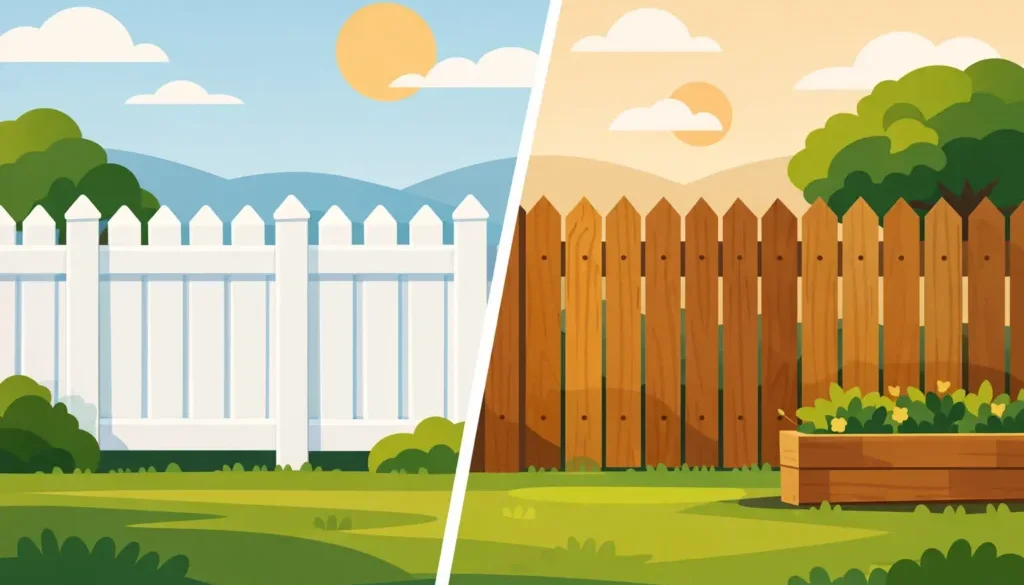
Wood is a traditional fencing material with a warm, natural appearance and substantial design flexibility. It can be built as a classic privacy fence, a shadowbox fence, a picket fence, or a custom style that complements an older home, new construction, or a distinctive landscape plan. It can also be stained or painted in a wide range of colors.
Vinyl is a manufactured material designed for a uniform finish and minimal upkeep. Most vinyl privacy fences use interlocking panels, posts, and rails to create a clean, polished look. White remains a popular option, although tan, gray, and wood-grain finishes may also be available depending on the fence style.
The choice is not simply old-fashioned versus modern. Wood offers more visual flexibility, while vinyl offers greater day-to-day convenience. A professional consultation can help determine which advantage carries more value for your project.
Upfront Cost and Long-Term Value
Initial cost often affects the decision. A basic wood fence may have a lower upfront price than a comparable vinyl fence, especially when using standard pressure-treated lumber. Custom cedar, taller privacy designs, decorative tops, and premium stains can raise the price of a wood installation substantially.
Vinyl typically costs more at the start because the material itself is more expensive. However, it does not require regular staining, painting, or sealing. For homeowners who plan to stay in their property for many years, reduced maintenance may help offset part of that higher initial investment.
Long-term value depends on more than material pricing. Consider the expected life of the fence, the appearance you want to maintain, future repair needs, and how much time you are willing to spend on upkeep. A well-built wood fence can provide many years of dependable service, while a quality vinyl fence can remain clean and consistent with relatively little attention.
For rental properties, commercial sites, and busy households, the lower maintenance needs of vinyl can be especially appealing. For owners who value a custom look or want the ability to change the fence color later, wood may justify its ongoing care requirements.
Maintenance Requirements Matter
This is where the contrast between vinyl and wood becomes clear.
A vinyl fence generally needs occasional washing with a garden hose, mild soap, and a soft brush to remove dirt, grass residue, or mildew. It will not need painting or staining, and it is not vulnerable to rot or insect damage in the same way as wood. A vinyl fence can still be damaged by impact, though. A mower, snowplow, vehicle, or falling branch can crack a panel or post, so it should not be treated as indestructible.
Wood requires more active care. Exposure to rain, sun, snow, and changing temperatures can cause boards to fade, warp, split, or develop surface checking. Staining or sealing on a regular schedule helps protect the material and preserve its appearance. Individual boards can often be replaced when damaged, which is one practical advantage of wood.
Neither material is maintenance-free. Vinyl reduces routine finish work, while wood rewards owners who are willing to maintain it properly. The right answer depends on whether you prefer periodic hands-on care or a fence that needs less attention from season to season.
How Twin Cities Weather Affects Each Material
Minnesota weather is demanding on exterior materials. Freeze-thaw cycles, deep winter cold, wet spring conditions, high summer humidity, and snow accumulation all need to be part of the planning process.
Wood naturally expands and contracts as moisture levels change. Proper post depth, quality fasteners, drainage, and professional construction are essential to help it remain stable through the seasons. Cedar offers natural resistance to decay, while pressure-treated lumber is a durable and practical option for many residential projects. The best wood choice depends on appearance goals and budget.
Vinyl does not absorb moisture like wood, which eliminates concerns about rot. However, vinyl can become less flexible in severe cold. That makes a properly engineered, correctly installed system particularly important in the Twin Cities. Posts must be set securely, rails need appropriate support, and the fence layout should account for gates, grade changes, and potential snow-clearing activity.
Installation quality matters as much as the material itself. A fence that is poorly laid out or inadequately supported can develop problems regardless of whether it is wood or vinyl.
Privacy, Appearance, and Design Flexibility
Both materials can deliver effective privacy. A solid vinyl panel fence creates a consistent barrier with no visible gaps, making it a strong option for patios, pools, play areas, and closely spaced yards. Its clean lines work especially well with newer homes and properties that benefit from a uniform exterior look.
Wood offers more options for a custom result. Board-on-board construction can provide privacy while adding depth and visual interest. Horizontal boards can create a contemporary style. Decorative lattice, arched tops, picture-frame details, and custom gate designs can make a wood fence feel integrated with the property rather than simply placed around it.
If curb appeal is your primary concern, look beyond a sample panel. Think about the home’s siding, trim color, landscaping, neighboring fences, and the view from inside the yard. A white vinyl fence may brighten a dark exterior, while a stained cedar fence can soften a yard with mature trees and natural landscaping.
Durability and Repair Considerations
Wood and vinyl fail differently, which is worth considering before making a final choice. Wood may develop isolated issues, such as a broken picket, loose rail, or weathered section. In many cases, those individual components can be repaired without rebuilding the entire fence line.
Vinyl resists many of the gradual wear issues common to wood, but a hard impact can crack or break a section. Repair may require replacing a panel, rail, or post component. Matching older vinyl materials can occasionally be more challenging if a style has been discontinued or color has changed slightly over time.
For high-activity areas, think carefully about how the fence will be used. A backyard with large dogs, frequent ball games, landscaping equipment, or active snow removal may benefit from a design that accounts for those conditions. On commercial and industrial properties, fencing needs may go beyond privacy and appearance to include access control, perimeter security, and gate operation.
Which Fence Is Right for Your Property?
Vinyl is often the better fit when you want a clean privacy fence with limited maintenance, a uniform finish, and reliable resistance to moisture-related problems. It is a practical choice for homeowners who do not want to plan around staining or painting every few years.
Wood is often the better fit when you want a natural material, greater customization, repairable individual components, or a design tailored closely to your home and landscape. It is also an excellent choice when you are prepared to protect it through routine maintenance.
A fence is a long-term part of your property, not a short-term purchase. The best material is the one that fits your design goals, maintenance expectations, and the way you use the space. Boulevard Fence can help Twin Cities homeowners, property managers, and business owners compare practical options and build a fence that delivers lasting privacy, protection, and curb appeal. A free estimate is a useful first step toward a solution that looks right on day one and continues to serve your property well through every Minnesota season.


