
A fence has to do more than look good on installation day. It needs to handle Minnesota winters, define the right boundaries, and meet the daily demands of your home, business, or facility. Knowing how to choose fence material starts with the job the fence must perform, then balances appearance, maintenance, budget, and long-term durability.
For a backyard, the priority may be privacy and a safe place for children or pets. For a commercial site, visibility, perimeter security, and access control often matter more. The best material is not always the most expensive option. It is the one that fits the property, the environment, and the way the fence will be used for years to come.
Start With the Fence’s Primary Purpose
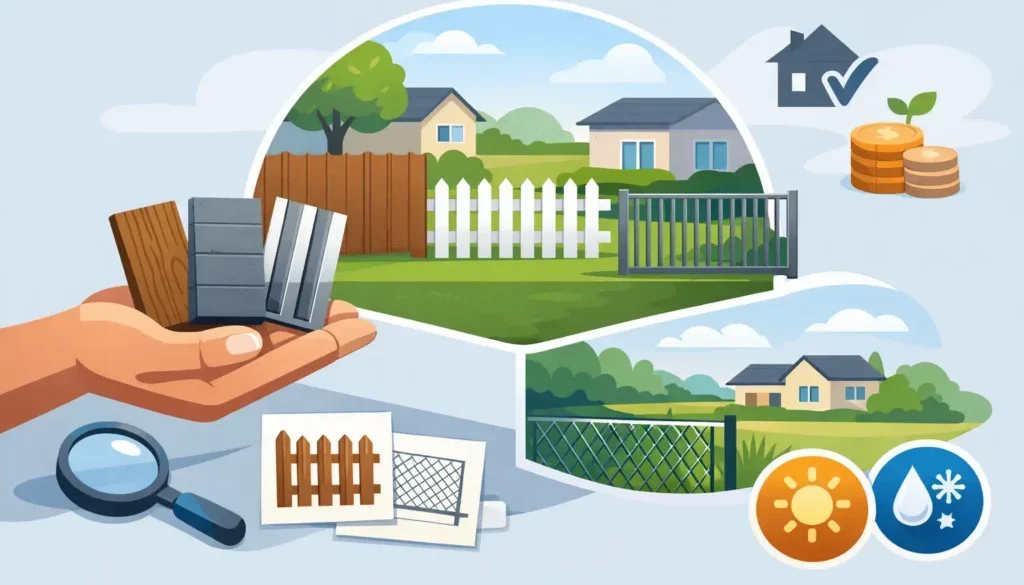
Before comparing wood, vinyl, chain link, and ornamental fencing, identify what the fence needs to accomplish. A clear purpose narrows the options quickly and helps prevent spending money on features that do not serve the property.
Privacy fencing works best with solid panels or closely spaced boards. Wood and vinyl are common choices for residential yards where neighbors, traffic, or nearby activity create unwanted sightlines. Height, panel design, and the grade of the yard all affect how much privacy a fence provides, so material selection should be part of an overall layout plan.
Security calls for a different approach. Commercial and industrial properties often need a durable perimeter that makes unauthorized entry more difficult while preserving visibility across the site. Chain-link fencing is a practical, proven choice for many of these applications. Adding privacy slats, heavier-gauge fabric, barbed wire where appropriate, or controlled-access gates can tailor the system to the level of security required.
Some properties need visual definition more than complete enclosure. Ornamental fencing gives homes, multifamily properties, offices, and public-facing businesses a polished boundary without closing off the view. It can provide meaningful security while supporting curb appeal and a professional appearance.
How to Choose Fence Material for Minnesota Weather
Twin Cities weather places real demands on every outdoor structure. Freeze-thaw cycles, heavy snow, spring moisture, wind, and summer heat can expose weaknesses in poorly selected materials or installation methods. A fence should be built with both the material and the local conditions in mind.
Wood offers warmth and flexibility
Wood fencing remains a popular choice because it delivers a classic look and a high degree of design flexibility. It can be built as a solid privacy fence, a decorative picket fence, or a custom style that complements the architecture of the home. It is also straightforward to repair when an individual board is damaged.
The trade-off is maintenance. Wood requires periodic staining, sealing, or painting to protect it from moisture and sun exposure. Over time, boards can warp, split, or decay, especially where sprinklers, snow buildup, or poor drainage keep the material wet. A properly installed wood fence with quality materials can provide years of service, but it is best for owners prepared to maintain its appearance and protection.
Vinyl keeps maintenance low
Vinyl fencing is a strong option for homeowners and property managers who want privacy or a clean boundary with less ongoing upkeep. It does not need painting or staining, and it will not rot, rust, or attract insects. Routine cleaning is generally enough to keep it looking neat.
Vinyl comes in privacy, picket, and ranch-rail styles, making it suitable for many residential settings. It does have limits. A sharp impact can crack a panel, and low-quality products may become brittle in extreme cold. Product quality and professional installation matter, particularly in Minnesota, where posts and panels must be set to accommodate seasonal ground movement.
Chain link delivers practical protection
Chain-link fencing is one of the most versatile materials available. It is cost-effective for enclosing large areas, durable in demanding conditions, and well suited to homes, dog runs, athletic areas, commercial properties, warehouses, and industrial sites. Its open design maintains visibility, which can be a benefit for security monitoring and site supervision.
Galvanized chain link provides dependable corrosion resistance, while vinyl-coated options add color and a more finished appearance. Black vinyl-coated chain link is especially popular for residential applications because it blends more naturally into landscaping. When privacy is needed, slats or screening can be added, though they may increase wind load and should be planned carefully.
Ornamental fencing combines strength and appearance
Ornamental steel or aluminum-style fencing gives a property a more refined look than chain link while still providing a strong, defined perimeter. It is often selected for front yards, pools, apartment communities, schools, offices, and commercial entrances. The open picket design protects sightlines and can complement brick, stone, landscaping, and modern architecture.
For properties that need a substantial security presence, steel ornamental fencing may be the better fit. Aluminum can be an appealing choice where corrosion resistance and lighter weight are priorities. The right option depends on the desired level of protection, the terrain, and the overall design of the property.
Consider Maintenance as Part of the Cost
The initial price of a fence is only one part of the investment. Maintenance requirements, repairs, and expected service life all affect long-term value.
Wood may have a lower upfront cost for certain designs, but it needs regular care. Vinyl usually costs more initially than basic wood, yet its low-maintenance finish can make it attractive over time. Chain link is often an economical choice for long runs and large sites, while ornamental fencing typically carries a higher initial investment because of its materials, finish, and appearance.
Think about who will maintain the fence. A homeowner may be comfortable staining wood every few years. A busy property manager may prefer vinyl, chain link, or ornamental fencing that requires less routine attention. Choosing the right material means matching the fence to the maintenance capacity of the owner, not just the first-year budget.
Match the Material to the Property Layout
A fence performs best when the material and design work with the site. Sloped yards, retaining walls, mature trees, drainage paths, driveways, and utility access can all influence the right solution.
Chain link adapts well to uneven ground. Wood and vinyl can also be installed on slopes, but they may require a stepped or racked layout depending on the style. Ornamental fencing can follow many grades gracefully, though the selected system should be designed for the slope rather than forced into it.
Gate placement deserves equal attention. A pedestrian gate may be all a residential yard needs, while a commercial or industrial property may require wide vehicle gates, cantilever gates, or automated access control. The gate should match the fence material and be built for the traffic it will handle. A poorly planned gate can become the weak point of an otherwise reliable perimeter.
Check Requirements Before Finalizing a Design
Local codes, neighborhood rules, property lines, and utility locations should be reviewed before installation begins. Municipal requirements may govern fence height, placement, visibility near driveways and intersections, pool enclosure standards, and gate operation. Commercial and industrial sites may also have security, fire access, or accessibility requirements.
A professional consultation helps identify these issues early. It also helps determine post depth, material specifications, and installation details needed for a fence that stays secure through changing seasons. Boulevard Fence works with Twin Cities property owners and managers to design fencing solutions that fit both the site and the intended use.
A well-chosen fence should feel like a natural part of the property: secure where it needs to be, attractive from the street, and dependable long after the installation crew has left. Start with the problem you need to solve, then select the material that gives you the right balance of performance, appearance, and upkeep.


