
A gate that must be opened by hand can become a daily frustration quickly, especially during a Twin Cities winter, a busy workday, or a high-traffic delivery schedule. Gate operators turn a properly built gate into a controlled access point, giving property owners a practical way to improve convenience, security, and site management.
For homeowners, that may mean entering a driveway without leaving the vehicle. For commercial and industrial properties, it can mean controlling who reaches a parking area, loading zone, storage yard, or secured perimeter. The right system is not simply about adding a motor. It begins with a gate, operator, safety equipment, and access method designed to work together reliably.
What Gate Operators Do for Your Property
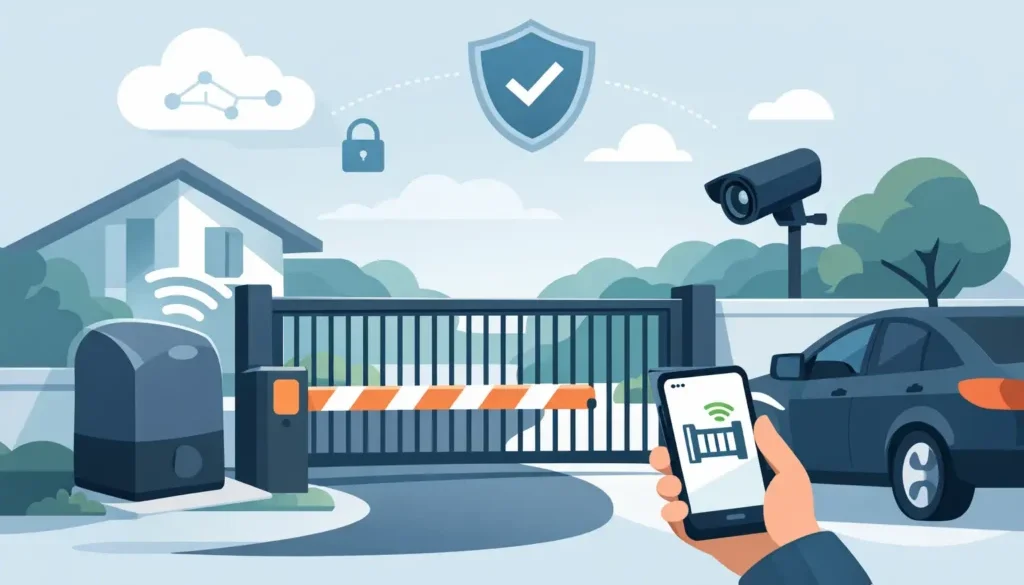
Gate operators use electric, solar, or other approved power sources to open and close a driveway or access gate. Depending on the gate design and site needs, the system may be activated by a remote control, keypad, intercom, phone-based access system, card reader, vehicle loop, or exit sensor.
The immediate benefit is convenience, but the long-term value is control. A closed and operating gate helps establish a clear boundary around the property. It can limit unauthorized vehicle access, make entry more manageable for residents or staff, and support a more professional appearance at commercial sites.
Automation also helps a gate get used as intended. A manual gate can be left open when the weather is poor, when traffic is busy, or when someone simply does not want to stop. An automated system makes consistent access control much more realistic.
Choosing the Right Type of Gate Operator
The best operator depends on the gate style, gate weight, opening pattern, traffic volume, available space, and how the property will be used. Selecting equipment based only on price can create problems later. An operator that is undersized or mismatched to the gate may wear out prematurely, operate inconsistently, or require more service than expected.
Swing Gate Operators
Swing gate operators are built for gates that open inward or outward on hinges. They are common on residential driveways and at smaller commercial entrances where there is room for gate leaves to travel.
A single swing gate works well for many driveways, while a dual swing system can operate two gate leaves that meet at the center. Swing gates can offer a classic, attractive look with ornamental steel, vinyl, wood, or other compatible gate materials. They do require adequate clearance inside the property and should be planned carefully for grades, snow accumulation, and vehicle movement.
Slide Gate Operators
Slide gate operators move a gate sideways along the fence line. They are often the better choice where a swing gate would interfere with a driveway, slope, parking area, or public right-of-way. They are also a strong fit for commercial and industrial applications with wider openings and frequent traffic.
A cantilever slide gate is especially useful where ground tracks could collect snow, ice, gravel, or debris. The gate is supported above the opening rather than rolling across it, which can improve operation in Minnesota conditions when it is properly fabricated and installed.
Barrier Arms and Specialty Access Systems
Some properties need traffic control more than perimeter security. Barrier arms can manage vehicle entry at parking lots, private roads, multifamily properties, or employee entrances. They open quickly, but they do not provide the same physical security as a full gate.
Specialty systems may be appropriate for facilities with larger openings, controlled delivery access, or specific operational requirements. The right answer depends on what needs to be protected, how often vehicles enter, and whether the gate needs to deter access, direct traffic, or do both.
Gate Construction Comes Before Automation
An operator cannot correct a weak, sagging, or poorly aligned gate. The gate itself must be engineered and installed to carry its own weight, move freely, and handle the forces created by regular automated operation.
Posts, hinges, rollers, tracks, guide hardware, and gate frames all affect performance. A gate that drags, binds, or shifts with seasonal ground movement will place unnecessary strain on the operator. This is why a complete gate and operator installation is often the most dependable approach. It allows the fence contractor to match the equipment to the gate from the beginning rather than trying to adapt automation to a system that was not built for it.
Material selection matters as well. Ornamental steel can provide a refined appearance and strong security. Chain-link gates are practical for secured yards, athletic facilities, and industrial sites. Vinyl and wood gates can complement residential fencing, although their construction must be designed to prevent sagging and support the required hardware.
Access Control Should Match Daily Use
A gate operator is only as useful as the way people access it. A family may prefer vehicle remotes and a keypad for guests. A business may need keypads, proximity credentials, intercom communication, timed access schedules, or separate entry and exit controls.
Consider who will use the entrance every day. Residents, employees, vendors, delivery drivers, visitors, and emergency responders may all have different access needs. For a commercial property, an access plan should also account for shift changes, visitor management, and after-hours entry.
Exit devices deserve equal attention. Vehicle loops, free-exit systems, and other approved controls can allow authorized vehicles to leave without requiring a remote or keypad code. The right setup reduces backups at the gate and prevents users from making unsafe maneuvers near the entrance.
Safety Features Are Part of the System
Automated gates need safety devices that detect vehicles, people, and obstructions in the gate’s path. Photo eyes, monitored sensing edges, vehicle detection loops, warning signs, and appropriate controls are not extras to overlook. They are critical components of a professionally planned system.
Gate placement also matters. The entrance must give vehicles enough room to pull clear of the road before stopping at a keypad or access device. Pedestrian access should be considered separately, since people should not be expected to pass through an automated vehicle gate. A dedicated walk gate can improve safety and make the property easier to use.
Local conditions and applicable codes affect equipment choices, installation details, and safety requirements. An experienced installer can evaluate the property and recommend a system that fits the gate, site layout, and intended use rather than treating automation as a one-size-fits-all product.
Plan for Twin Cities Weather and Service Needs
Cold temperatures, snow, ice, road salt, and seasonal ground movement can all affect an automated gate system. Quality equipment and proper installation provide the foundation, but ongoing care helps preserve dependable operation.
Keep the gate travel area clear of packed snow, ice, leaves, gravel, and other debris. Check that photo eyes remain clean and aligned. Review remotes, keypads, and access credentials regularly, especially when employees, tenants, or service providers change. If the gate begins moving slowly, making unusual noise, reversing unexpectedly, or failing to close fully, schedule service before a smaller problem becomes a system shutdown.
Power planning is also worth discussing early. Hardwired electric operators are common and dependable where power is readily available. Solar-powered options can be useful at remote locations, but their performance depends on site exposure, usage frequency, battery capacity, and winter conditions. A site evaluation can determine whether solar is practical or whether conventional power is the better long-term choice.
A Professional Installation Protects the Investment
A well-designed automated entrance adds value because it combines security with a better daily experience. The system should look appropriate for the property while meeting the practical demands of traffic, weather, and access control.
Boulevard Fence provides gate and automation solutions for residential, commercial, and industrial properties throughout the Twin Cities Metro Area. As an authorized dealer and installer for Aleko gates and gate operators, the team can help evaluate gate style, operator capacity, access controls, and safety features for the specific site.
The best time to plan automation is before the gate is installed, but existing gates can also be evaluated for an upgrade. Start with how the entrance needs to work on its busiest day, then build a gate system that can handle that job with confidence for years to come.


