
A fence usually gets noticed when it is missing, failing, or no longer doing its job. Maybe the backyard feels too exposed, the dog needs a safer boundary, or the front of the property could use a cleaner, more finished look. The right home fencing solutions solve those problems in a way that matches how you live, how your property is laid out, and how much maintenance you want to take on over time.
For Twin Cities homeowners, that choice is rarely just about style. Weather matters. Privacy matters. Durability matters. A fence has to stand up to seasonal changes, define your space clearly, and add value to the property without becoming a constant repair project. That is why the best approach is not picking a material first. It is starting with the real purpose of the fence.
Choosing home fencing solutions by priority
Some homeowners begin with privacy. Others are focused on safety for children and pets. In many cases, curb appeal is just as important as security. A good fence can do more than one job, but every material has strengths and trade-offs.
If privacy is the main goal, height, board spacing, and overall fence design matter more than decorative details. If your concern is visibility and boundary definition, a more open style may be the better fit. If you are enclosing a pool area, side yard, or driveway access point, code requirements and gate placement can influence the design just as much as appearance.
This is where a professional recommendation saves time. A fence that looks right on one property may feel too heavy, too open, or too high-maintenance on another. Grade changes, lot lines, neighborhood style, and intended use all shape the best answer.
Wood fencing for classic privacy and warmth
Wood remains one of the most popular home fencing solutions because it offers strong privacy and a natural look that works well with many homes. It can be built in a range of styles, from full privacy panels to more decorative designs that soften the look of the yard.
For homeowners who want a traditional fence with character, wood is often the first choice. It can frame a backyard beautifully, create separation from neighboring lots, and provide a warmer appearance than some manufactured materials. It also gives you flexibility in style, whether you want a clean vertical board layout or something more custom.
The trade-off is maintenance. Wood fences generally need more attention over time than vinyl or chain-link. Staining, sealing, and periodic repairs may be necessary depending on weather exposure and the age of the fence. In a climate with snow, moisture, and temperature swings, that long-term upkeep should be part of the decision from the start.
That does not make wood the wrong choice. It just means it is best for homeowners who value appearance and privacy enough to invest in maintaining it.
Vinyl fencing for low-maintenance performance
Vinyl fencing appeals to homeowners who want a clean, finished look without the ongoing upkeep that wood often requires. It is a strong option for privacy fencing, semi-private designs, and decorative enclosures where durability and easy care are high priorities.
One of the biggest advantages of vinyl is consistency. It does not need painting, and it resists many of the common issues that affect traditional wood fencing. For busy households, that can be a major benefit. You get a polished appearance with less routine maintenance.
Vinyl is not always the right fit for every property. Some homeowners prefer the natural texture of wood, while others are more focused on budget. Still, for many residential yards, vinyl hits a practical middle ground between appearance, privacy, and long-term value.
Chain-link fencing for function and affordability
Chain-link fencing is often the most practical solution when the goal is secure enclosure without blocking visibility. It works especially well for backyards, pet areas, side yards, and larger residential properties where clear boundaries matter more than full screening.
Homeowners sometimes overlook chain-link because they associate it with utility rather than appearance. But in the right setting, it is a smart and efficient choice. It is durable, cost-effective, and well suited for homes that need dependable perimeter definition without the added cost of a privacy fence.
For families with dogs or children, chain-link can provide peace of mind quickly and effectively. It also pairs well with gates for controlled access. If privacy is needed later, there may be ways to add screening depending on the layout and intended use.
The main trade-off is visual openness. If your goal is to create a secluded backyard retreat, chain-link may not deliver the look or privacy you want. If the priority is security, containment, and value, it is hard to ignore.
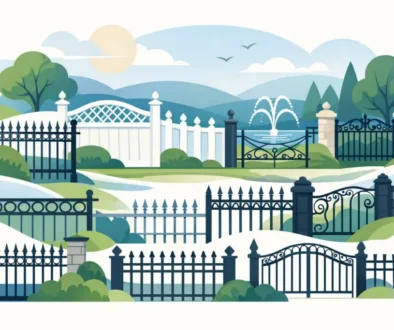
Ornamental fencing for curb appeal and visibility
When homeowners want a fence that enhances the property without making it feel closed off, ornamental fencing is often the right answer. It offers a refined appearance and strong perimeter definition while keeping sightlines open.
This style works well for front yards, entry areas, gardens, and homes where architectural detail matters. It adds structure and sophistication without the visual weight of a full privacy fence. For many properties, it creates a more upscale first impression while still serving a practical purpose.
Ornamental fencing is not designed for maximum privacy, so it is usually chosen for appearance, boundary control, and a more open feel. If your home already has strong landscaping or exterior features, an ornamental fence can complement them rather than compete with them.
Gates matter more than many homeowners expect
A fence is only as functional as its access points. Poorly placed or poorly built gates can create daily frustration, even if the fence itself looks great. That is why gate planning should happen early, not as an afterthought.
Think about how you move through the property now. Do you need easy backyard access for lawn equipment? Will children be using the gate regularly? Do you want a driveway gate for added security or convenience? These questions shape width, swing direction, hardware, and placement.
For some homes, gate automation is also worth considering. If the property layout calls for controlled vehicle access, adding a gate operator can improve both convenience and security. That kind of upgrade is especially useful on larger lots or homes with long driveways.
Installation quality affects long-term results
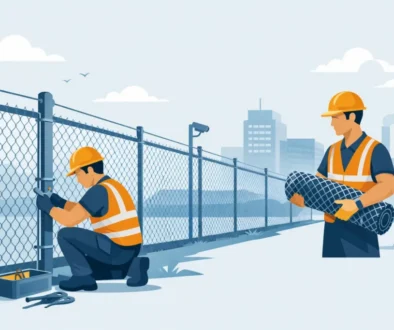
Even the best material will underperform if the installation is rushed or poorly planned. Posts need to be set correctly. Gates must hang and operate properly. Fence lines should follow the property in a way that looks intentional and functions well.
This is one reason homeowners benefit from working with an experienced contractor rather than treating fencing as a simple commodity purchase. Proper layout, attention to grade changes, and accurate installation all affect how the fence looks on day one and how it holds up year after year.
A reliable fence contractor also helps you avoid common mistakes, such as choosing the wrong height, underestimating maintenance, or selecting a style that does not match the actual use of the yard. In the Twin Cities, where seasonal conditions can expose weak installation quickly, craftsmanship matters.
Matching the fence to the property, not just the catalog
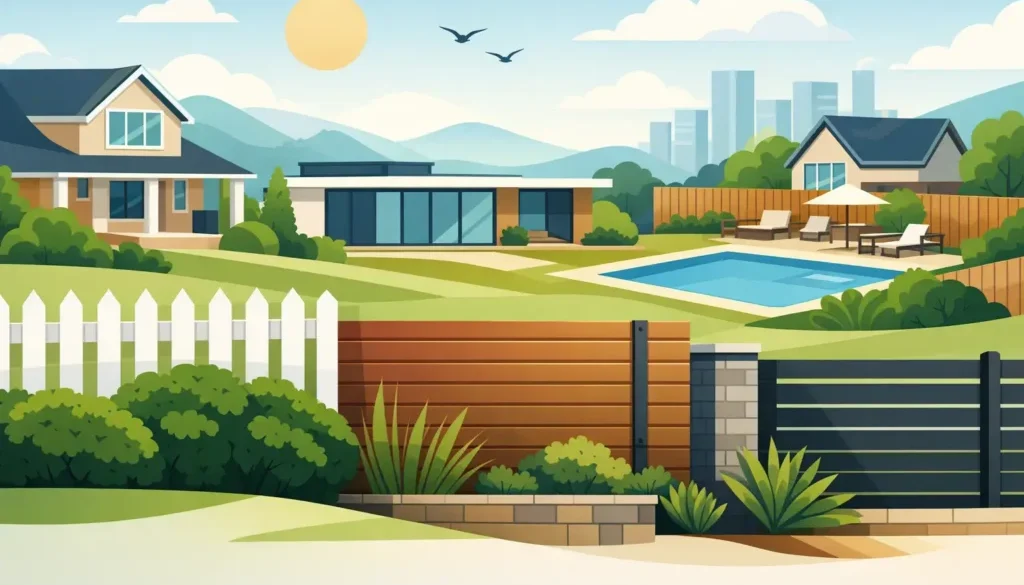
The best home fencing solutions are the ones that feel like they belong on the property. A tall privacy fence may make perfect sense in one backyard and feel too closed in on another. An ornamental front fence may elevate one home but offer too little security for another household.
That is why the strongest results come from balancing function, style, and long-term expectations. Budget matters, but so does maintenance. Appearance matters, but daily use matters more. A fence should solve a problem now without creating a new one later.
For homeowners in Minneapolis, St. Paul, and the surrounding metro, local experience makes a difference. Soil conditions, weather exposure, neighborhood expectations, and property layouts all influence what will perform well over time. Boulevard Fence works with homeowners to design and install fence solutions that fit the property, the purpose, and the level of durability the project requires.
If you are planning a new fence, start by being clear about what you need it to do every day. Once that is defined, the right material and design usually become much easier to choose.