
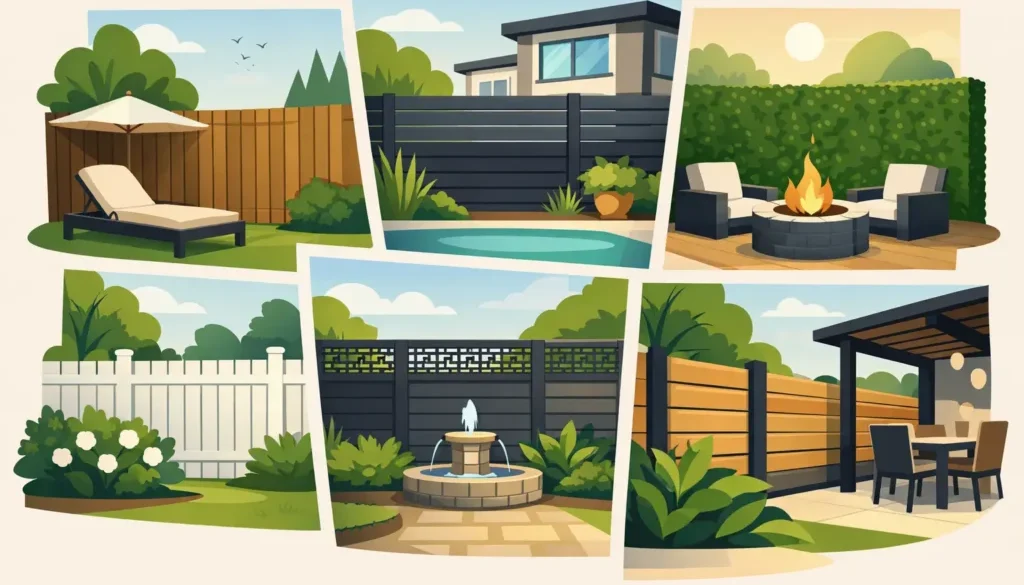
A privacy fence changes how a backyard feels. It can block a direct view from neighboring windows, create a safer play space for children and pets, and give an outdoor patio or pool area a more finished look. The best backyard privacy fence styles balance those needs with the character of the home, the site conditions, and the level of maintenance an owner is prepared to handle.
For Twin Cities homeowners, material selection matters as much as appearance. Minnesota winters, moisture, shifting ground, and seasonal temperature swings can test a fence over time. A quality installation with properly set posts, durable materials, and a design suited to the property will deliver better long-term value than choosing a style on appearance alone.
What Makes a Privacy Fence Work
A privacy fence is generally six feet tall, though local zoning rules, homeowners association standards, and lot conditions may affect what is allowed. The most effective designs use solid panels, tightly spaced boards, or overlapping construction to limit sightlines. Still, complete visual separation is not the only goal.
The right fence should also complement the home, handle wind exposure, and provide practical access through well-built gates. A fence around a compact city yard may need to create privacy without making the area feel enclosed. On a larger suburban lot, a taller or more substantial design can define the property while enclosing a patio, garden, or recreation space.
Best Backyard Privacy Fence Styles to Consider
1. Solid Wood Privacy Fence
A solid wood fence remains one of the most popular choices because it offers a warm, substantial look that fits naturally in residential settings. Vertical boards installed side by side create a clean, traditional wall of privacy. Cedar is a common choice for its natural resistance to decay and its attractive grain, while treated wood can provide a cost-conscious option for many projects.
Wood also provides the greatest design flexibility. Homeowners can select flat-top boards for a straightforward appearance, add a cap rail for a more finished profile, or stain the fence to complement siding, trim, or decking. The trade-off is maintenance. Wood should be inspected periodically and may need staining or sealing to preserve its appearance and protect it from the elements.
2. Board-on-Board Wood Fence
Board-on-board fencing uses overlapping vertical boards rather than placing them edge to edge. This construction helps prevent visible gaps as boards naturally expand and contract through changing weather conditions. It is an excellent option for homeowners who want strong privacy on both sides of the fence.
The overlapping design adds depth and visual interest, making it feel more substantial than a standard solid panel fence. It can cost more than a basic wood privacy fence because it uses additional material, but the extra coverage is valuable along close property lines or in yards where direct sightlines are a concern.
3. Shadowbox Fence
A shadowbox fence alternates boards on opposite sides of the rails, creating a layered pattern. When viewed straight on, the boards overlap to provide privacy, while the small spaces between them allow light and air to pass through. From an angle, the fence has a more open appearance.
This style works well for homeowners who want a less imposing boundary and a finished look from either side. It is particularly useful in neighborhoods where neighbors will see both faces of the fence. Shadowbox designs do not provide the same complete screening as a solid fence, so they are better for general separation than for a pool area or patio that needs maximum seclusion.
4. Horizontal Wood Privacy Fence
Horizontal fencing delivers a crisp, modern look that pairs well with contemporary homes, updated landscaping, and outdoor living areas. Boards run horizontally between posts, often with narrow, consistent spacing or a nearly solid layout. The long lines can make a smaller backyard feel wider.
This design requires precise construction. Straight boards, sturdy framing, and careful spacing are essential to prevent a wavy or uneven appearance over time. A horizontal wood fence can become a strong architectural feature, but it should be designed around the property layout rather than added as an afterthought.
5. Lattice-Top Privacy Fence
A lattice-top fence combines a solid lower section with an open decorative panel at the top. The lower portion provides practical screening at eye level, while the lattice softens the overall height and allows more light into the yard. It is a good fit for traditional homes, cottage-style landscaping, and gardens with climbing plants.
This style may be the right choice when a full-height solid fence would feel too heavy. Keep in mind that lattice does not fully block views from elevated decks or second-story windows. For properties with close neighbors, a taller solid section or carefully placed landscaping may be needed to supplement the fence.
6. Vinyl Privacy Fence
Vinyl privacy fencing offers a clean, uniform appearance with minimal upkeep. It will not rot, require staining, or need regular painting, which appeals to homeowners who want lasting privacy without ongoing wood maintenance. White remains a classic option, but tan, gray, and other colors can better coordinate with modern exteriors.
Quality vinyl fencing is engineered to hold up through changing weather, but it should be installed with the right reinforcement and post system. Vinyl can be an especially practical choice for a backyard that gets frequent use, where owners want a polished boundary that is easy to clean and maintain. Styles range from simple solid panels to designs with decorative tops and rail details.
7. Vinyl Fence With Decorative Accents
A vinyl fence does not have to look plain. Adding a lattice section, picket accent, or post caps can give a privacy fence more visual character while keeping its low-maintenance benefits. This approach works well when the backyard fence is visible from the front or side of the property and needs to contribute to curb appeal.
Decorative elements should support the home’s style instead of competing with it. A simple, well-proportioned design typically ages better than an overly detailed one. Matching the gate design, posts, and fence panels creates a more intentional finished result.
8. Composite Privacy Fence
Composite fencing combines the appearance of wood with the lower-maintenance appeal of manufactured materials. It is available in a range of colors and textures, including options that resemble natural wood grain. For homeowners looking for a more contemporary, long-lasting privacy solution, composite can be worth considering.
The initial investment may be higher than a basic wood fence. However, the reduced need for staining, sealing, and repairs can make the cost appealing over the life of the fence. As with any premium material, proper installation is critical. The framing, posts, and expansion allowances need to suit the product and local weather conditions.
9. Ornamental Fence With Privacy Landscaping
Ornamental fencing is not a solid privacy barrier on its own, but it can be the right solution when security, curb appeal, and a more open property line matter most. Pairing an ornamental fence with evergreen screening, shrubs, or layered plantings can create privacy without the closed-in look of a solid fence.
This approach takes patience because landscaping needs time to mature. It also requires room for plants to grow and ongoing care to keep them healthy. For homeowners who value a refined, open appearance, the combination can provide a strong long-term result.
10. Chain-Link Fence With Privacy Slats
Chain-link fencing with privacy slats is a functional option for larger yards, pet enclosures, utility areas, and properties where budget is a major consideration. The slats thread through the mesh to reduce visibility while maintaining the dependable structure of chain-link fencing.
It does not deliver the same residential appearance as wood or vinyl, and the level of privacy varies by slat type and viewing angle. Still, it can be a practical solution where durability, containment, and efficient installation are priorities. Dark-colored chain-link materials often blend into a yard more effectively than galvanized finishes.
Choosing the Right Style for Your Property
Start with the reason for the fence. If the main goal is complete screening around a patio, pool, or close neighboring home, solid wood, board-on-board, vinyl, or composite will usually provide the strongest results. If the goal is to define a boundary while preserving light and airflow, a shadowbox or lattice-top design may be a better fit.
Then consider maintenance and budget. Wood offers customization and natural character, but it asks more of the owner over time. Vinyl and composite have higher upfront costs in many cases but reduce routine upkeep. A professional consultation can also identify details that are easy to overlook, such as drainage, grade changes, gate placement, utilities, and local height requirements.
The fence should look right from inside the yard and from the street, but dependable construction is what makes that look last. Boulevard Fence helps Twin Cities property owners select and install fencing built for privacy, durability, and a finished appearance. The best choice is the one that gives your backyard the privacy you need while fitting the way you use the space year after year.


