

A fence is more than a line around a property. It can give a family a private backyard, help a business control access, protect equipment, or create a cleaner first impression from the street. Professional fence installation brings those goals together with the right materials, accurate layout, and construction built to stand up to Twin Cities weather.
For homeowners, commercial owners, property managers, and industrial operators, the best fence starts with a clear purpose. The fence that works well for a quiet backyard may not be the right choice for a loading area, multi-family property, or secured industrial site. A dependable contractor helps match the design to how the property is actually used.
Start Fence Installation With the Property’s Needs
The first decision is not color or style. It is determining what the fence needs to accomplish. Privacy, security, pet containment, pool safety, boundary definition, traffic control, and curb appeal can all influence the best material, height, gate placement, and layout.
A residential privacy fence may need to block views from neighboring homes while complementing a deck, landscaping, or existing exterior finishes. A commercial fence may need to direct visitors toward a designated entrance, protect dumpsters or outdoor storage, and maintain visibility where needed. Industrial properties often require a more focused approach to perimeter security, access control, and long-term durability.
Property conditions matter as much as the fence itself. Grade changes, retaining walls, trees, drainage paths, sidewalks, driveways, and utility locations all affect the final plan. Taking time to assess these details before work begins prevents awkward transitions, poorly placed gates, and unnecessary changes during construction.
Local requirements also deserve attention. Municipal rules, neighborhood associations, setback requirements, and permit standards can affect fence height, placement, and visibility near corners or driveways. A professional installation plan accounts for these considerations early, rather than leaving the property owner to solve them after materials arrive.
Choose a Fence Material for Its Real Job
Every fencing material offers a different balance of appearance, maintenance, privacy, and security. The right answer depends on the property and expectations for the years ahead.
Wood fencing remains a popular choice for homeowners who want a warm, traditional look and strong privacy. It can be designed in many styles, from classic solid panels to decorative shadowbox layouts. Wood requires periodic care, especially in Minnesota’s cycle of moisture, snow, heat, and freezing temperatures, but a well-built wood fence can deliver lasting value and a highly customized appearance.
Vinyl fencing provides a clean, consistent finish with low routine maintenance. It is an excellent option for many residential properties where privacy and curb appeal are priorities. Vinyl does not need staining or painting, though it should be selected and installed carefully for local temperature changes and site conditions.
Chain-link fencing is practical, durable, and cost-effective for many residential, commercial, and industrial applications. Homeowners often use it for pet areas and larger yards. Businesses and facility operators rely on it for perimeter definition, equipment protection, controlled access, and durable site security. Privacy slats, vinyl-coated options, and different heights can adjust its appearance and performance.
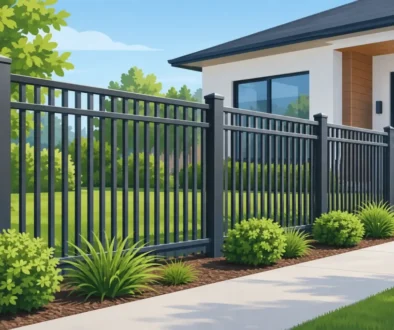
Ornamental fencing offers a more refined look without giving up strength. It works especially well for front yards, entrances, multifamily communities, commercial properties, and locations where presentation matters. Because it maintains visibility, ornamental fencing can provide security and definition without making a property feel closed off.
The material should suit the task, not simply follow a trend. A privacy fence may be ideal behind a home but unnecessary around a visible commercial entrance. A chain-link perimeter may be the practical choice for a service yard, while ornamental fencing can create a stronger presentation along the public-facing side of the same property.
Good Fence Installation Depends on What Is Below Grade
Posts carry the load of the entire fence. If they are not set at the proper depth, aligned accurately, and secured for the soil conditions, even premium panels and hardware will not perform as they should.
This is particularly important in the Twin Cities. Seasonal freeze-thaw cycles can move the ground and put stress on poorly installed posts. Proper excavation, post depth, drainage awareness, and concrete work help create a stable foundation for the fence above. Gates need even more attention because their posts support repeated movement and concentrated weight.
A careful crew also plans for the natural slope of the property. Depending on the design, fence sections may follow the grade or step down in measured increments. Each approach has a different visual result. Following the grade can create a closer line along the ground, while stepping may better suit certain panel styles or steep changes in elevation.
Before digging begins, utilities must be identified and marked. This is not a detail to overlook. Underground electrical lines, gas lines, cable, irrigation, and other services can affect post locations and installation methods. Careful preparation protects the property, keeps the project moving, and helps avoid costly disruptions.
Gates Should Make Access Easier, Not Create a Problem
A gate is one of the hardest-working parts of any fencing system. It needs to open smoothly, latch securely, fit the intended traffic pattern, and hold its alignment through frequent use. A gate that drags, sags, or blocks a driveway quickly becomes a daily frustration.
For homes, that may mean a walk gate positioned near the garage, patio, or side yard, along with a wider gate for lawn equipment or service access. For commercial and industrial properties, gate planning may involve vehicle lanes, delivery schedules, emergency access, pedestrian safety, and controlled entry points.
Automated gates and gate operators can add a valuable layer of convenience and security when they are designed for the site. The right system depends on gate type, weight, frequency of use, power availability, safety requirements, and access-control needs. As an authorized Aleko dealer and installer, Boulevard Fence can help property owners select gate and operator solutions that support reliable daily access without compromising perimeter protection.
Plan for Appearance and Long-Term Performance
A fence should look intentional from every angle. That includes straight lines, consistent spacing, clean transitions at corners, thoughtful gate placement, and a design that fits the building and landscape. Small details have a large effect on the finished result.
For a homeowner, the visible side of a fence, cap styles, post tops, and stain choices can influence curb appeal. For a business, the fence should support a professional image while still meeting practical needs. A property manager may prioritize a design that is durable, easy to maintain, and appropriate for residents, visitors, and maintenance crews.
Maintenance expectations should be discussed before selecting a material. Wood may need cleaning, sealing, or staining over time. Vinyl and ornamental fencing generally require less ongoing work but still benefit from periodic inspection. Chain-link systems should be checked for damaged fabric, loose fittings, or gate issues, particularly in high-traffic areas.
The goal is not to choose the fence with the lowest initial cost alone. It is to choose a system that performs well over its useful life. Quality materials, proper installation, and realistic maintenance planning often reduce future repairs and replacement costs.
Work With a Contractor Equipped for the Full Project
Fence projects can involve more than setting posts and hanging panels. A complete approach includes consultation, site assessment, material recommendations, layout planning, utility coordination, gate design, installation, and a final review of the finished work.
That full-service capability matters when a property has more than one need. A homeowner may need privacy fencing in the backyard and ornamental fencing at the front. A commercial site may need chain-link security fencing, pedestrian gates, and an automated vehicle entrance. Working with one experienced fencing contractor helps keep the design consistent and the project coordinated.
A clear estimate should reflect the property’s layout, chosen material, fence height, gate requirements, and any unique site conditions. It also creates the right opportunity to ask practical questions: How will the fence handle the slope? Where should gates go? What maintenance will this material need? How will the work affect access during installation?
The strongest fence projects begin with a plan that respects the property and ends with a result that feels like it has always belonged there. Whether the priority is privacy, security, access control, or a better-looking exterior, a well-built fence gives the property a clear edge for years to come.