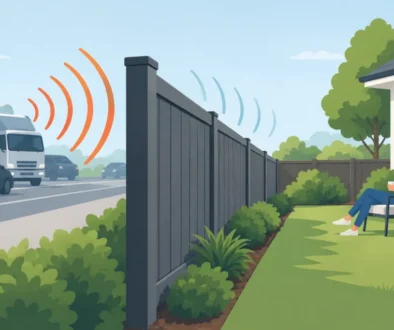
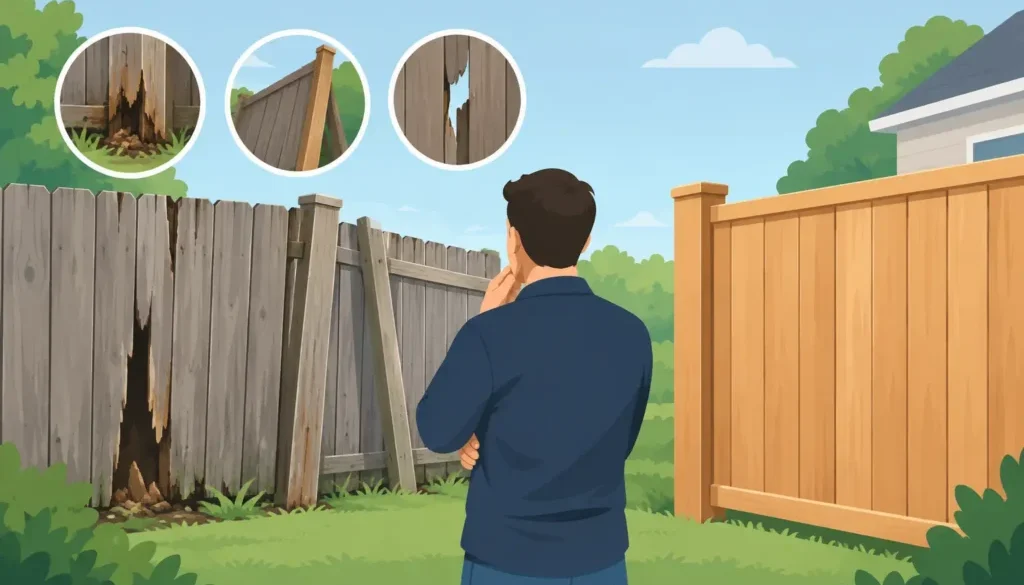
A fence rarely fails all at once. More often, a few leaning posts, a gate that drags, or boards that stay soft after rain begin to signal a larger problem. Property owners often ask, “when should fences be replaced?” The answer depends on the material, the extent of the damage, and whether repairs will restore the security, appearance, and function you need.
In the Twin Cities, fences handle heavy snow, freeze-thaw cycles, summer moisture, high winds, and years of daily use. A well-built fence can last a long time, but no material is maintenance-free forever. Knowing the difference between a repairable issue and a fence nearing the end of its service life helps you protect your investment and avoid an unexpected failure.
When Should Fences Be Replaced Instead of Repaired?
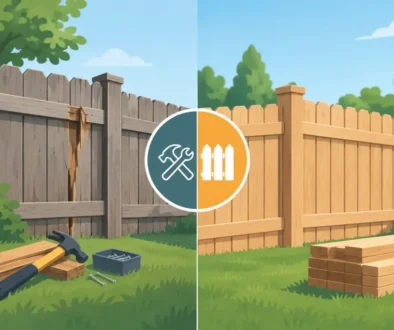
One damaged board or a single loose chain-link section does not usually require a full replacement. Targeted repairs can be cost-effective when the fence structure is stable and the problem is isolated. Replacing a broken picket, resetting one post, tightening hardware, or repairing a gate can extend the fence’s useful life.
Replacement becomes the better value when damage is widespread or structural components are failing. If several posts are leaning, sections have shifted, wood is rotting in multiple areas, or repairs would leave your fence uneven and unreliable, it is time to consider a new installation. The same is true when the fence no longer serves the purpose it was built for, whether that means privacy, pet containment, perimeter security, or access control.
A useful rule is to look beyond the most visible problem. A cracked panel may be easy to replace. A cracked panel combined with loose posts, deteriorated fasteners, and sagging gates points to a system that is wearing out.
Clear Signs Your Fence Is Nearing Replacement
Posts Are Leaning, Loose, or Rotting
Fence posts carry the weight of the entire system. When they shift, lean, crack, or rot at ground level, the fence loses its foundation. In Minnesota, repeated freezing and thawing can move soil and put added stress on posts, particularly on older installations with inadequate footings or drainage issues.
A single post can often be replaced. Multiple failing posts usually indicate a larger structural concern. Rebuilding section by section may cost more over time than replacing the fence with properly set posts designed for local conditions.
Wood Has Extensive Rot, Splitting, or Insect Damage
Wood fencing provides a classic, customizable appearance, but it needs periodic care. Surface weathering is normal and can often be addressed with cleaning, staining, or sealing. Deep rot is different. If boards crumble near the bottom, pickets pull away from rails, or rails feel soft when pressed, moisture has compromised the material.
Check the hidden sides of the fence as well as the street-facing side. Rot often begins where boards meet soil, where water is trapped around posts, or beneath overgrown landscaping. When rot affects a large percentage of the fence, replacement is generally the sounder long-term choice.
Panels Are Warped or Repeatedly Coming Loose
Some warping is common in aging wood, especially after years of changing temperatures and moisture levels. But severe bowing, twisting, or separated rails can leave gaps in a privacy fence and create weak points along the perimeter.
Repeated repairs are another warning sign. If panels keep coming loose after being reattached, the underlying rails, posts, or fasteners may no longer have enough strength to hold them securely. A new fence can restore a straight, consistent appearance while addressing the structural cause rather than the latest symptom.
The Gate No Longer Works Reliably
A gate should open, close, latch, and lock without excessive force. A dragging gate may need hinge adjustment, but it can also reveal settled posts, sagging framing, or an opening that is no longer square. For commercial and industrial properties, a malfunctioning gate can affect traffic flow, security, and daily operations.
If a gate has been repaired several times or cannot be brought back into reliable alignment, replacement may be necessary. This can also be the right time to upgrade access control with a properly designed gate and operator system that fits the property’s security needs.
Chain-Link Components Are Rusted or Damaged
Chain-link fencing is durable, practical, and well suited to many residential, commercial, and industrial applications. It still requires evaluation when corrosion, impact damage, or loose connections become widespread. Rusted fabric can weaken and develop openings. Bent rails and damaged terminal posts can reduce the fence’s ability to secure a site.
Small areas of damage may be repaired, especially if the framework is solid. Replacement should be considered when corrosion has spread across multiple sections, posts are unstable, or the fence has been cut, bent, or damaged often enough that it no longer controls access effectively.
Your Fence No Longer Meets the Property’s Needs
A fence can be structurally sound and still be the wrong fence. A family may need more privacy than an open chain-link fence provides. A business may need stronger perimeter protection, better visibility, or controlled vehicle access. A property manager may need a more durable material that reduces ongoing maintenance across multiple units.
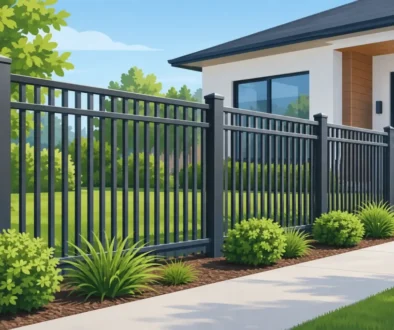
Replacement gives you the opportunity to select a style based on how the property is used now, not how it was used years ago. Vinyl can offer a clean, low-maintenance privacy solution. Ornamental fencing can provide a refined look with dependable security. Commercial chain-link fencing can be configured for site control, and automated gates can improve access management where vehicles enter and leave regularly.
Fence Age Matters, but Condition Matters More
Age provides a helpful starting point, but it should not be the only factor. Installation quality, material choice, maintenance, drainage, sun exposure, and storm damage all affect longevity. A well-maintained fence may outlast its typical expected lifespan, while a poorly installed fence can develop problems much sooner.
Wood fences commonly need closer inspection as they approach 15 to 20 years, although heavily weathered sections may require replacement earlier. Vinyl fencing can last decades, but severe impact damage, cracking, or shifting posts still deserve attention. Chain-link systems often have a long service life, particularly when galvanized or coated components remain in good condition. Ornamental metal fencing can also perform for many years when corrosion is controlled and posts remain stable.
For any fence type, a professional inspection is valuable when you are unsure whether repairs are still practical. The goal is not simply to make the fence look better for another season. It is to determine whether it can continue to do its job safely and reliably.
Consider Safety, Liability, and Security Before Waiting
Waiting too long to replace a failing fence can create avoidable risk. A leaning section can fall during high winds. A broken gate can allow pets or children to leave an enclosed yard. A damaged commercial perimeter can create an opening that invites unauthorized access.
For businesses, multifamily properties, and industrial sites, fencing is often part of a broader security plan. Gaps, unstable gates, and damaged perimeter sections can affect tenant safety, equipment protection, and site operations. In these situations, replacement may be less about appearance and more about restoring dependable control of the property.
Before deciding, walk the entire fence line and look for weak sections, loose hardware, ground contact, and signs of movement. Take note of recurring repair costs and whether the fence still supports your practical goals. This gives you a clearer picture than evaluating only the most visible damaged area.
Plan the Replacement Around the Right Solution
Fence replacement is a chance to correct design issues that may have shortened the old fence’s life. Proper post depth, quality materials, thoughtful gate placement, and the right fence style all make a difference. It is also the right time to consider how landscaping, drainage, snow removal, vehicle traffic, and future access needs will affect the installation.
For Twin Cities homeowners and property managers, Boulevard Fence can help evaluate the condition of an existing fence and recommend a replacement that fits the property, budget, and intended use. Whether you need privacy around a backyard, durable commercial chain-link fencing, ornamental perimeter fencing, or a gate system with reliable access control, the right installation starts with an honest assessment of what your property needs next.
A fence should give you confidence every time you look at it, use the gate, or rely on it to protect the people and property behind it. If yours is no longer doing that, a free estimate can provide the clarity needed to move forward.