A new fence can improve privacy, define a property line, control access, or make a commercial site more secure. But the finished result depends heavily on fence contractor selection. The wrong installer can leave you with uneven lines, loose posts, delayed work, and a fence that does not hold up through Minnesota winters. The right contractor helps you choose a system that fits the property, the purpose, and the budget – then installs it with care.
For homeowners, businesses, property managers, and industrial operators across the Twin Cities, choosing a fencing company should be about more than finding the lowest estimate. A fence is a long-term part of the property. It should look right, perform reliably, and stand up to daily use and changing weather.
Start With the Purpose of the Fence
Before comparing contractors, get clear about what the fence needs to accomplish. A backyard privacy fence has different requirements than a chain-link enclosure around a warehouse, an ornamental fence at a commercial entrance, or an automated gate serving a busy facility.
A homeowner may prioritize privacy, pet containment, pool safety, and curb appeal. A business owner may need controlled access, clear boundaries, and a professional appearance. Industrial properties often need durable perimeter protection, gate access, and materials suited to higher-impact environments.
A qualified contractor should ask questions before recommending a product. How will the property be used? Is visibility or privacy the priority? Will vehicles need access? Are there slopes, drainage concerns, existing landscaping, or underground utilities to consider? Those answers influence the best material, height, gate configuration, post spacing, and installation method.
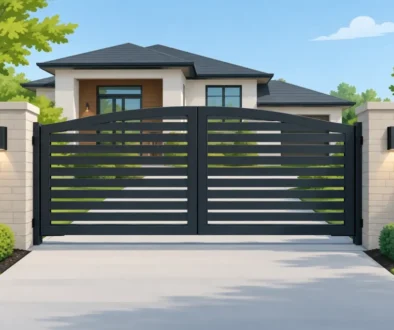
This is where a broad product offering matters. Wood can create a warm, traditional privacy boundary. Vinyl offers a clean, low-maintenance option for many residential properties. Chain-link is practical for security, containment, and larger enclosures. Ornamental fencing brings a more refined appearance while maintaining visibility. Gates and operators add another level of access control when entering and exiting the property needs to be managed.
What Strong Fence Contractor Selection Looks Like
The best estimates are not always the cheapest, and the cheapest proposal is not always comparable to the others. A dependable fencing contractor explains what is included, what materials will be used, and how the installation will be completed. That clarity protects the customer from surprises after the project begins.
Look for a contractor with experience across projects similar to yours. Residential fence installation requires careful attention to lot layout, neighboring properties, appearance, and everyday family use. Commercial and industrial work may involve longer runs, specialized gates, security considerations, access schedules, and coordination with other site activity. Experience in the relevant setting helps prevent avoidable problems.
Local knowledge is equally valuable. Twin Cities properties deal with freeze-thaw cycles, heavy snow, wind, rain, and shifting soil conditions. Fence posts, footings, hardware, and material choices must be suited to that environment. An installer familiar with the area can identify conditions that may affect the project before crews arrive on site.
Ask for a Clear Scope of Work
A professional proposal should make it easy to understand the project. It should identify the fence type, approximate layout, height, gates, and installation details. If an existing fence needs to be removed, that work should be addressed. If the project includes a gate operator, the scope should also clarify the equipment and access-control needs.
Customers should feel comfortable asking direct questions. Find out who will perform the work, how the site will be prepared, how crews will handle cleanup, and what factors could affect the schedule. If a contractor gives vague answers about materials or installation, it may be difficult to know what you are actually purchasing.
A clear scope also makes it easier to compare estimates fairly. One proposal may appear less expensive because it uses lighter materials, excludes removal, leaves out gate hardware, or does not account for a challenging portion of the site. Price matters, but value comes from comparing the full project rather than a single number at the bottom of a page.
Confirm Material Quality and Construction Details
Fencing materials vary widely in quality, even within the same general category. For example, the durability of a wood fence depends on the lumber, post size, fasteners, rail construction, and how the components are assembled. A chain-link fence should be matched to the security needs of the site, including fabric, framework, fittings, and gate construction.
Ask the contractor to explain the components that will support the finished fence. Posts are especially critical because they anchor the entire system. Proper placement and installation affect alignment, strength, and resistance to movement over time. Gates deserve the same attention. A gate that is not properly sized, supported, and fitted can sag, drag, or become difficult to operate.
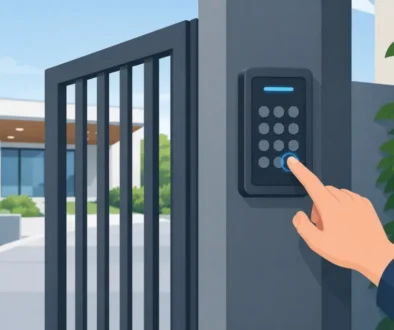
For automated entry systems, select a contractor who understands both fencing and access control. Gate operators must be matched to the gate type, weight, expected usage, and site conditions. Safety features, controls, and dependable operation should be part of the conversation from the beginning, not added as an afterthought.
Review Communication and Project Management
Fence installation is a construction project, even when it is completed quickly. Good communication keeps it on track. The contractor should be responsive during the estimate process, realistic about timing, and prepared to discuss next steps before work starts.
Pay attention to how a company handles the first conversation. Are they listening to the property goals, or are they pushing one product without understanding the site? Do they explain options in plain language? Are they willing to identify trade-offs? For example, wood may offer the look a homeowner wants but require more upkeep than vinyl. Ornamental fencing can elevate a property’s appearance but may not provide the privacy needed for a backyard. An experienced contractor will help you weigh those differences honestly.
For commercial and industrial customers, project coordination is often just as important as fence style. Work may need to accommodate operating hours, customer traffic, deliveries, tenant access, or security requirements. A contractor with a disciplined process can plan around those needs while maintaining an efficient installation schedule.
Do Not Overlook Property Lines and Local Requirements
A fence contractor can install the fence, but property owners still need confidence that the planned location is appropriate. Before work begins, verify property boundaries and discuss any concerns involving neighboring lots, easements, shared access, or existing structures. A misplaced fence can create an expensive dispute, no matter how well it is built.
Local requirements can also affect height, placement, gates, and visibility near driveways or intersections. Requirements may differ between Minneapolis, St. Paul, and surrounding communities. A knowledgeable local contractor can help identify questions that should be addressed early, especially when the project involves a corner lot, a commercial frontage, or a controlled-access gate.
Underground utilities are another essential consideration. Fence posts and gate foundations require excavation, so utility locations must be addressed before digging begins. This is not a detail to leave until installation day.
Choose a Partner, Not Just an Installer
The strongest fence projects begin with a contractor who treats the property as individual, not routine. That means recommending a practical solution, using quality materials, building it with precision, and standing behind the work.
At Boulevard Fence, homeowners and property professionals can work with one experienced team for residential, commercial, and industrial fencing, along with gates and gate operators. The goal is not simply to put a fence in the ground. It is to create a durable, attractive solution that serves the property for years.
When you are ready to move forward, use the estimate process to ask questions, compare complete scopes, and choose craftsmanship over shortcuts. A well-planned fence is one of the clearest improvements you can make to a property’s security, function, and appearance.