
A fence has a job to do, but it also changes how your home feels from the street, in the backyard, and at the gate. The best residential fencing ideas are not just about picking a style you like. They are about choosing the right material, height, layout, and level of privacy for the way you actually use your property.
For homeowners in the Twin Cities, that decision also comes with practical questions. How much maintenance do you want to handle? Do you need full backyard privacy, a safer space for kids and pets, or a cleaner front-yard border that adds curb appeal without closing everything off? A good fence should answer those questions clearly and hold up well through changing seasons.
Residential fencing ideas that match real priorities
The strongest fence projects start with function. Some homeowners want a quiet, enclosed backyard. Others care most about defining property lines, securing a pool area, or upgrading an older fence that has become an eyesore. Style matters, but it should support the purpose of the installation.
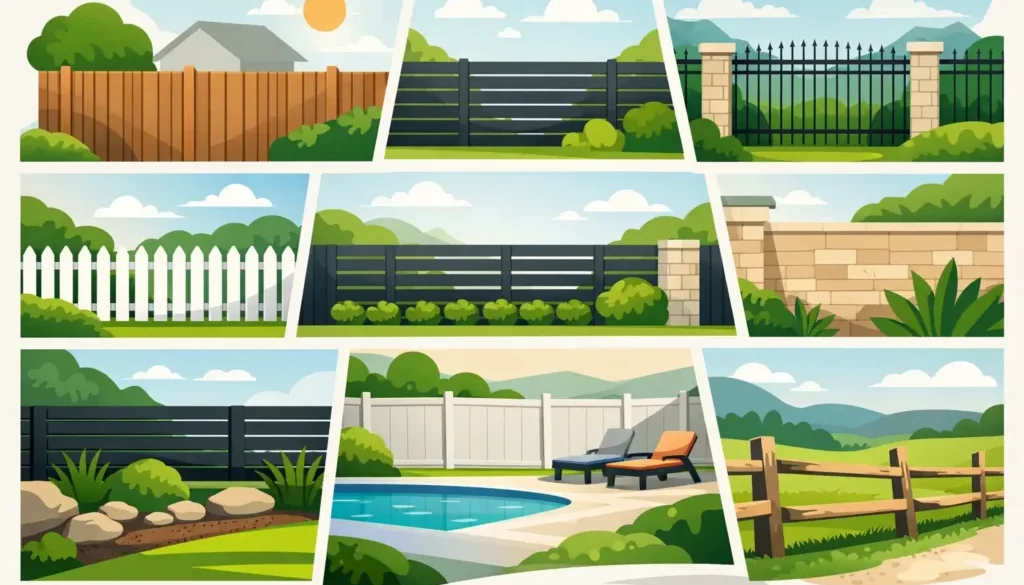
Wood privacy fencing remains one of the most popular choices for a reason. It offers strong coverage, a classic appearance, and flexibility in design. You can keep it simple with clean vertical pickets, or choose a more decorative top detail to soften the look. If your main goal is privacy between neighboring yards, wood is often the most direct answer. The trade-off is maintenance. Wood can look excellent for years, but it does require staining, sealing, or repainting over time to protect its appearance and extend its life.
Vinyl fencing is a strong alternative for homeowners who want a cleaner, low-maintenance option. It delivers a polished look and resists many of the issues that affect wood, including rot and insect damage. For busy households, that lower upkeep is a major advantage. The main consideration is appearance and upfront cost. Some homeowners still prefer the natural warmth of real wood, and vinyl can require a higher initial investment depending on the style and layout.
Ornamental metal fencing is a smart fit when curb appeal and visibility matter as much as boundary definition. It works especially well for front yards, side yards, and homes where you want a refined look without creating a fully closed-off feel. This style adds structure and security while keeping sightlines open. It is not the right answer for every backyard, though, especially if full privacy is a priority.
Chain-link fencing is one of the most practical residential choices for function-first projects. It is dependable, cost-effective, and well suited for enclosing large yards, pet areas, or utility spaces. Homeowners do not always think of it as a design-driven option, but modern residential chain-link can still provide a clean, organized look when installed well. If appearance is the top concern, it may not have the same visual impact as wood, vinyl, or ornamental styles. If value, durability, and clear perimeter control come first, it deserves serious consideration.
Choosing a fence style by area of the property
One of the best residential fencing ideas is to stop treating the entire property the same way. Different parts of the yard often need different solutions.
Backyard fencing for privacy and daily use
Backyards usually carry the heaviest demands. This is where families gather, dogs run, and neighbors are closest. Full-height wood or vinyl privacy fencing is often the right fit because it creates separation, reduces visual clutter, and makes the space more comfortable to use every day.
If you want privacy without making the yard feel boxed in, the fence design itself matters. A solid-panel look gives the most coverage, while details like lattice tops or decorative post caps can make the installation feel more finished. The right design keeps the fence practical without making it look heavy.
Front yard fencing for curb appeal
Front yard fencing typically works best when it feels welcoming rather than defensive. Shorter ornamental metal, decorative wood, or select vinyl styles can define the property line and improve appearance without blocking the home from view. This is often where proportion matters most. A fence that is too tall or visually dense can overwhelm the front of the property.
Side yards and utility areas
Side yards are easy to overlook, but they often benefit from the most functional thinking. These areas may need secure gates, durable materials, and a layout that supports trash storage, access to the backyard, or equipment placement. A simple continuation of the main backyard fence may work, but in some cases, a more durable or lower-profile solution makes more sense.
Material matters more than most homeowners expect
A fence can look great on day one and still be the wrong long-term choice. Material selection affects maintenance, lifespan, privacy, and how well the fence performs in local weather.
Wood offers character and versatility. It works well for privacy and blends naturally with a wide range of home styles. It is a strong choice when homeowners want a traditional look and are comfortable with periodic upkeep.
Vinyl works well for households that want a crisp appearance without regular repainting or staining. It is especially appealing for homeowners replacing older wood fencing and looking for a longer-term maintenance advantage.
Ornamental metal stands out for strength, visibility, and a more upscale finish. It fits homes where architectural detail matters and where security is needed without sacrificing appearance.
Chain-link remains a reliable option for practical enclosures and larger residential properties. It may not be the first material people imagine when they think about curb appeal, but it delivers solid performance at a strong value.
There is no universal best material. The right choice depends on your goals, budget, and how much maintenance you want to take on after installation.
Fence height, layout, and gates make the difference
Many residential fencing ideas focus on panels and materials while overlooking the details that affect daily use. Height matters because it changes both privacy and appearance. A taller fence may solve one problem while creating another if it makes the yard feel closed off or competes with the scale of the house.
Layout matters just as much. Clean lines, thoughtful transitions, and properly placed gates make a fence feel intentional. On corner lots or irregular properties, this becomes even more important. A well-planned fence follows the property in a way that looks natural instead of forced.
Gates deserve more attention than they usually get. A good gate should be easy to use, durable, and secure. For some homes, a simple walk gate is enough. For others, especially larger properties or driveways, access control becomes part of the project. That is where working with an experienced contractor pays off. Boulevard Fence can also help homeowners who want gate operator options as part of a complete fencing solution.
Common combinations that work well
Some of the best-looking homes do not rely on one fence style everywhere. A common approach is wood privacy fencing in the backyard with ornamental fencing in the front. That combination gives homeowners privacy where they need it most while keeping the street-facing side open and attractive.
Another smart combination is vinyl privacy fencing around the main yard with matching gates and a lower decorative section near the front corners of the home. This creates consistency without making the whole property feel enclosed.
For larger lots, chain-link can handle functional rear or side boundaries while a more decorative material is used in visible areas. This can be a practical way to balance cost and appearance without compromising the overall project.
What to think through before installation
The best residential fencing ideas look simple after they are built. Getting there takes planning. Property lines, slopes, neighboring structures, local requirements, and intended use all affect the final design.
This is why homeowners benefit from more than just product selection. They need guidance on what fits the property, what will hold up over time, and what will deliver the right mix of privacy, protection, and appearance. A fence should not only fill a boundary line. It should improve how the property works and how it looks for years to come.
If you are weighing different styles, start with the problem you want the fence to solve. Privacy, pet safety, visual upgrade, access control, and low maintenance each point toward different solutions. The right fence is the one that fits your home, your priorities, and the way you live on the property every day.
A well-built fence should feel like it has always belonged there, adding security and curb appeal without calling attention to the compromises behind it.