
Wood Fence Installation Cost Explained
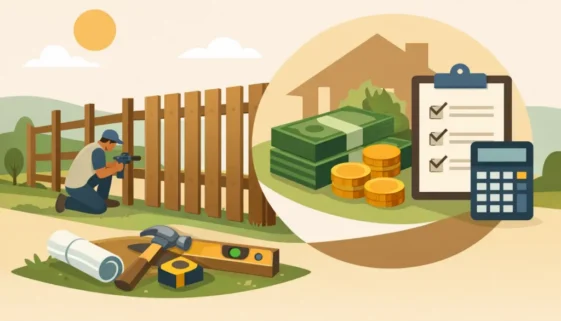
If you are pricing a new fence, the first number you will ask about is wood fence installation cost. The challenge is that two projects with the same linear footage can land at very different price points once style, lumber type, gate count, grade changes, and local labor are factored in. That is why a realistic budget starts with understanding what actually drives the total.
For homeowners and property managers in the Twin Cities, wood fencing remains one of the most practical ways to add privacy, define property lines, and improve curb appeal. It offers a classic look, works with a wide range of home styles, and can be customized more easily than many other materials. But wood is not a one-price-fits-all product, and installation quality matters just as much as the boards themselves.
What affects wood fence installation cost?
The biggest cost factor is usually the total linear footage, but that only sets the baseline. Fence height changes the amount of material required, and taller fences typically need stronger posts and more labor. A 6-foot privacy fence will usually cost more than a shorter decorative fence because it uses more wood and creates a more substantial structure.
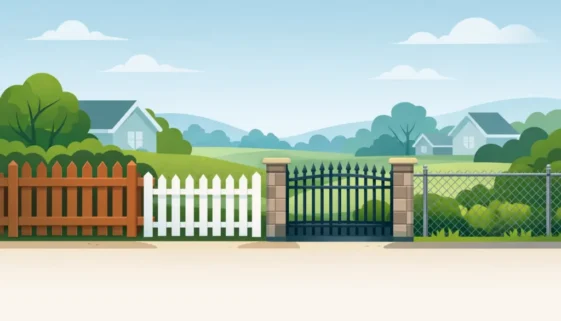
Style also plays a major role. A basic dog-ear privacy fence is generally more budget-friendly than a board-on-board design or a custom horizontal layout. Picket fencing can cost less in some cases because it uses less material, but detailed trim, decorative post caps, and custom spacing can push the price upward. If you want a fence that serves both visual and privacy goals, the design choices will affect the final number quickly.
Material selection is another major variable. Pressure-treated pine is often one of the more economical options and performs well when installed correctly. Cedar usually costs more upfront, but many property owners prefer it for its appearance and natural resistance to insects and decay. Premium species and upgraded finishes increase the budget further. When comparing options, it helps to weigh not just initial cost, but long-term maintenance and expected lifespan.
Wood fence installation cost by project type
Residential projects often center on privacy, pets, children, and appearance. In those cases, a taller backyard fence with one or two gates is common. Costs tend to rise when the yard has tight access, mature landscaping, retaining walls, or utility conflicts that complicate installation.
Commercial and multi-family properties can have a different pricing structure. A fence may need to cover longer runs, handle heavier use, or meet specific property management requirements. Dumpster enclosures, perimeter screening, and shared-boundary fencing may involve different layouts than a standard backyard project. While some commercial runs benefit from scale, others require added reinforcement and access control that increase the total.
For builders and industrial property operators, wood fencing is often used where privacy screening matters more than high-security perimeter control. Even then, durability is still critical. A lower bid is not always the better value if the post layout, hardware, or installation methods shorten the fence’s service life.
Site conditions can change pricing fast
A flat, open lot is usually simpler and more cost-effective to fence than a property with slope, tree roots, rocky soil, or limited equipment access. Crews may need more time to dig post holes, stage materials, or adapt the fence line to uneven terrain. In some yards, removing an old fence also adds disposal costs and labor before the new installation even begins.
Corner lots, unusual property lines, and local setback rules can also affect the layout. If the fence needs to step down a grade or work around landscaping and hardscape features, the design becomes more labor-intensive. These are not small details. They are often the reason a ballpark price changes once a contractor sees the site in person.
Permits and code requirements matter as well. Depending on the municipality, fence height, location, and proximity to sidewalks or alleys may be regulated. A professional installer will account for those requirements early, which helps avoid costly changes later.
Labor is a major part of the investment
When people compare fence prices, they often focus on lumber and overlook labor. In reality, installation is a major share of wood fence installation cost because proper layout, post setting, alignment, and gate construction take skill and time. A wood fence that looks straight on day one but shifts after one freeze-thaw cycle is not a bargain.
That matters in Minnesota, where weather puts real stress on outdoor structures. Post depth, footing stability, and installation precision all affect how well a fence holds up over time. Paying for experienced workmanship usually means better long-term value, fewer callbacks, and less risk of premature repairs.
This is one reason many property owners prefer to work with a full-service contractor instead of piecing the job together. Design guidance, material sourcing, code awareness, and professional installation all contribute to a cleaner process and a more reliable result.
Common upgrades that raise the final cost
Gates are one of the most common add-ons that influence pricing. A simple walk gate is one thing. A wider double gate for equipment access is another. Larger openings require stronger framing, more hardware, and careful alignment so the gate performs properly over time.
Decorative upgrades can also add cost while improving the finished look. Post caps, lattice tops, trim boards, and stained or sealed finishes all change the final investment. None of these are necessarily excessive. In many cases, they are worthwhile upgrades that improve appearance and extend service life. The key is making sure they fit the goals of the project.
Custom layouts, especially horizontal wood fencing, tend to cost more because they require a different build approach and tighter visual consistency. If design is a priority, it is smart to plan for that from the beginning rather than treating it as an afterthought.
How to budget for a wood fence without guessing
The best way to approach pricing is to think in terms of project scope, not just price per foot. Start with the purpose of the fence. Is it mainly for privacy, pet containment, property definition, appearance, or screening? That decision helps narrow the right height, style, and material.
Next, consider the full layout. Include gates, transitions, corners, and any problem areas in the yard. If you are replacing an old fence, ask whether removal and haul-away are included. If staining or sealing is part of the plan, account for that as well. These details create a much more accurate budget than a rough online estimate.
It also helps to be clear about where you want to invest and where you want to keep things simple. Some customers choose a straightforward privacy fence in the backyard and reserve decorative elements for the front or side yard. Others prioritize heavier posts and stronger gates because long-term performance matters more than upgrades. There is no single right approach. The right fence is the one that fits your property, your goals, and your budget.
Getting an accurate estimate for wood fence installation cost
An on-site estimate is where pricing becomes useful. A contractor can measure the layout, review access, identify grade issues, and recommend a fence style that fits the property. That process usually reveals factors that generic calculators miss.
It also gives you a chance to compare more than just bottom-line numbers. Look at what is included, what type of wood is being proposed, how the posts will be set, what hardware is used, and whether gate construction is built for daily use. A detailed estimate tells you much more about value than a low number on its own.
For property owners in Minneapolis, St. Paul, and surrounding communities, working with a local fencing specialist like Boulevard Fence can make that process more straightforward. Local experience matters when weather, code requirements, soil conditions, and property layouts all influence the job.
Why the cheapest quote can cost more later
Wood fencing is one of the most attractive and versatile options on the market, but it only performs as well as it is designed and installed. Lower quotes sometimes reflect thinner materials, lighter gate framing, shallow post installation, or missed site details that show up later as repairs.
A better approach is to focus on durability, appearance, and fit for the property. When those pieces are handled correctly, wood fencing can deliver privacy, curb appeal, and dependable performance for years. If you are comparing options now, the smartest next step is a professional estimate built around your site, your style preferences, and the way you actually plan to use the fence.