
A fence has to do more than mark a property line. For a Minneapolis home, a St. Paul commercial site, or an industrial facility anywhere in the Twin Cities, it needs to stand up to hard winters, changing temperatures, daily use, and close scrutiny from visitors. Steel fence panels are a strong choice when security, defined boundaries, and a polished appearance all matter.
Unlike a temporary barrier or a fence chosen only for cost, a well-planned steel fence becomes part of how a property functions. It can frame a front yard without closing it in, secure equipment and loading areas, guide pedestrian access, or create a controlled entrance with a gate operator. The right result depends on choosing the panel style, height, layout, and finish for the job at hand.
Why Steel Fence Panels Work for So Many Properties
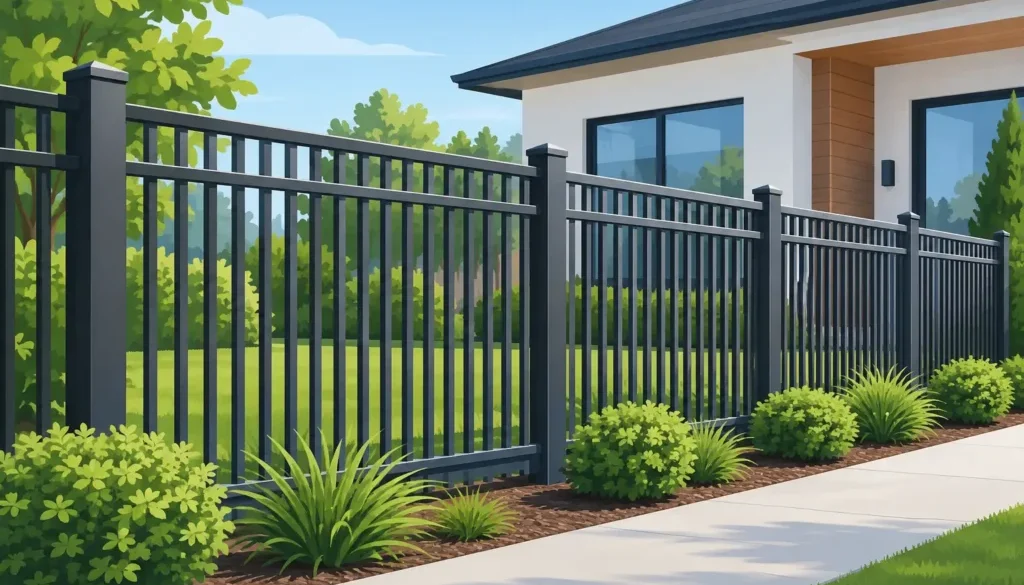
Steel offers strength in a relatively refined profile. Ornamental steel panels can provide a clean, open look that suits homes, offices, multifamily communities, schools, and retail properties. At the same time, heavier-duty steel fencing can create a serious perimeter around warehouses, utility areas, storage yards, and other locations where access control is a priority.
The main benefit is not simply that steel is hard to damage. It is that a properly designed steel fence can deliver visibility and security together. Property owners can see through the fence, monitor activity, and maintain an orderly streetside appearance without sacrificing a durable boundary.
Steel also makes sense for properties that need a long-term solution. Wood can create warmth and privacy, while vinyl can offer a low-maintenance residential option. But for projects where strength, crisp lines, and an upscale appearance are the leading concerns, steel is often the better fit. It performs especially well where a fence must work alongside gates, access controls, retaining walls, sidewalks, or landscaped entrances.
Choosing the Right Steel Fence Panel Design
No single panel design fits every property. A front-yard enclosure has different requirements than a commercial perimeter, and a decorative pool enclosure has different code considerations than a secured service yard. The first decision should be what the fence needs to accomplish every day.
Residential style and boundary definition
For homeowners, ornamental steel panels are often selected to improve curb appeal while defining the yard. Flat-top designs tend to look clean and contemporary. Designs with pressed points, finials, or more decorative details can complement traditional architecture. The spacing between pickets affects the overall appearance and can help maintain an open feel around gardens, patios, and front walks.
Height matters here. A lower steel fence can establish a clear boundary while preserving views from the home and the street. Taller panels may be more appropriate around a backyard, a pool area, or a location where added containment is needed. If privacy is the primary goal, however, an open steel panel may not be the best standalone solution. A wood or vinyl privacy fence, or a carefully planned landscape screen paired with steel fencing, may better meet that need.
Commercial security and professional presentation
Businesses and property managers often need fencing to perform several jobs at once. It may protect a dumpster enclosure, organize traffic near a parking lot, secure outdoor equipment, separate tenant areas, and improve the appearance of an aging site. Steel panels offer a more finished look than many utilitarian fence options, making them a practical choice near building entrances and public-facing areas.
For these projects, panel height, picket style, post spacing, and gate placement should be planned as one system. A fence that looks secure but has an undersized or poorly located gate will not solve an access problem. Vehicle gates, pedestrian gates, keypad entry, and gate operators should be considered early, especially when the fence protects an active business site.
Industrial durability and access control
Industrial properties usually place the greatest emphasis on perimeter strength, site control, and long-term performance. Steel can be an excellent option for protected zones, employee entrances, equipment compounds, and facilities that need an attractive but dependable boundary. In higher-security locations, the design may call for taller panels, anti-climb features, controlled entry points, and clearly defined emergency access.
There are trade-offs. Chain-link fencing may be the more economical choice for a large perimeter where appearance is secondary. Steel panels often carry a higher upfront investment, but they can be worthwhile in high-visibility areas and places where a stronger architectural presence is needed. A fencing professional can help determine where ornamental steel adds value and where another material better serves the site.
Finish and Installation Matter as Much as the Panel
A steel fence is only as dependable as its protective finish and installation. In the Twin Cities, repeated freeze-thaw cycles, snow removal, road salt, rain, and summer humidity can expose weak points over time. Quality materials and careful installation protect the investment.
Many steel fence systems use a powder-coated finish that helps resist corrosion, chipping, and fading. Black remains a popular choice because it works with nearly any exterior color palette and gives landscaping room to stand out. Other colors may be available when a property needs to match an existing building, gate, or brand standard.
Proper posts and foundations are equally important. Posts need to be set for the soil conditions and local frost depth so the fence remains aligned through seasonal movement. Panels should follow the grade cleanly, whether the property calls for a stepped layout or a rackable system that adjusts to a slope. These details affect more than appearance. Misaligned panels, uneven gaps, and poorly supported gates can shorten the useful life of the entire installation.
Planning Gates With Your Fence System
A steel fence often leads directly to a gate decision. A pedestrian gate may be all a homeowner needs for side-yard access. A commercial property may require a double swing gate, a cantilever gate, or an automated entry system that keeps vehicles moving while maintaining control of the site.
Gate selection should begin with how people and vehicles actually use the property. Consider the width needed for delivery trucks, snowplows, maintenance equipment, emergency access, and daily employee traffic. Also consider where a gate can open or slide without blocking sidewalks, parking spaces, or traffic lanes.
Automation adds convenience and control, but it should be designed for the setting. Keypads, remotes, card readers, telephone entry systems, and safety devices all need to work with the gate type and traffic pattern. Boulevard Fence can coordinate fencing, gates, and gate operators as a complete project, helping avoid the common problem of treating access control as an afterthought.
What to Discuss Before Requesting an Estimate
A productive fence consultation starts with a clear picture of the property and its priorities. Bring up the purpose of the fence, desired height, the areas that need gates, and any concerns about visibility, pets, children, equipment, or unauthorized entry. Photos, surveys, site plans, and known property-line information can also help shape an accurate recommendation.
For commercial and industrial projects, identify operational requirements early. That includes delivery schedules, tenant access, utility locations, drainage concerns, and whether installation must be phased to keep the site operating. A contractor should also account for local regulations, permits, and any code requirements that apply to pools, commercial sites, or restricted-access areas.
The best steel fence is not necessarily the tallest or most decorative option. It is the system that fits the property, solves the actual access or security issue, and continues to look right years after installation. When the panel design, finish, posts, and gates are planned together, steel fencing can provide the kind of lasting protection and professional appearance a property deserves.