
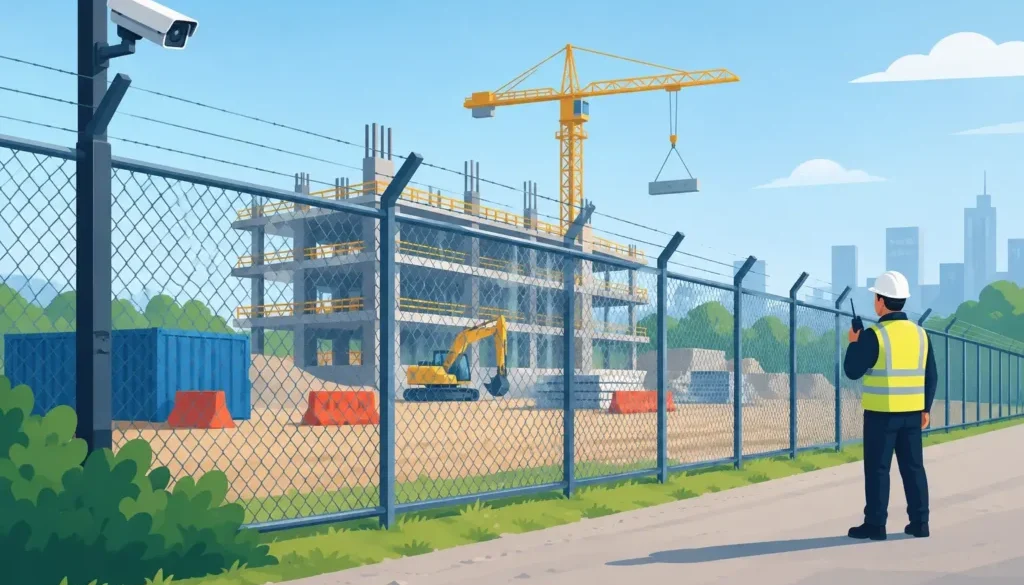
A construction site can change quickly. One week it is an open excavation, and the next it holds pallets of material, equipment, tools, and partially completed structures. Knowing how to secure a construction site before work begins helps protect people, control access, reduce theft, and keep a project moving when crews are off the clock.
For Twin Cities builders, property managers, and business owners, site security should be planned as part of the job – not added after a fence panel is moved, a gate is left open, or valuable equipment goes missing. The right perimeter system creates a clear boundary, directs every visitor to the proper entry point, and stands up to the demands of an active worksite.
Start With a Site-Specific Security Plan
Every project has different risks. A short-term urban renovation may need stronger pedestrian control and a compact, secure gate. A large commercial build may need long runs of fencing, equipment access, separate delivery routes, and space for trailer traffic. Projects near schools, homes, busy streets, or public sidewalks require additional attention because the public is close to the work area every day.
Walk the property before selecting fencing. Identify where people could enter without permission, where materials will be stored, where utility work or excavation creates hazards, and how trucks need to enter and exit. Account for changes that will happen as the project advances. A temporary access point that works during site preparation may no longer make sense once framing, paving, or landscaping begins.
A practical plan should answer a few direct questions: Who needs access? When should they have it? Which areas need to stay off-limits, even to authorized workers? The answers shape the fence height, material, gate layout, lighting, and access-control approach.
Choose Construction Site Fencing for the Actual Risk
Fencing is the foundation of site control, but not every fence serves the same purpose. The best choice depends on the project duration, the value of materials on-site, exposure to the public, and whether the fence will be temporary or permanent.
Chain-Link Fencing for Reliable Perimeter Control
Commercial chain-link fencing is a proven choice for construction sites because it establishes a visible, durable boundary without closing off visibility. Supervisors can see activity near the fence line, while passersby can recognize that the area is restricted. It is well suited to long perimeters, staging areas, equipment yards, and temporary jobsite enclosures.
For a more demanding location, consider a taller fence, heavier-gauge fabric, secure terminal posts, and privacy screening where appropriate. Screening can reduce views of stored equipment and unfinished work, but it also catches wind. In exposed areas, the fence structure must be designed and installed to handle that added pressure.
Temporary panels can be useful for short jobs or changing site layouts. However, they need proper feet, bracing, connections, and ongoing inspection. A fence that is easy to move is also easier for an unauthorized person to shift if it is not properly secured.
When a Permanent Fence Makes More Sense
Some projects benefit from installing the final perimeter fence early. This can be a smart choice for new industrial facilities, commercial properties, storage yards, and developments that will need long-term site control after construction is complete.
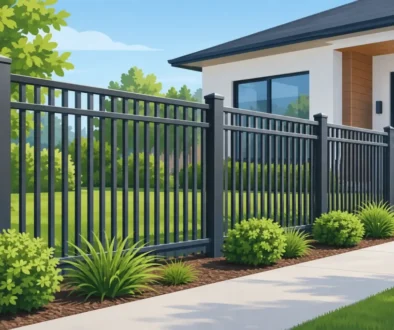
A permanent ornamental or chain-link fence may provide a more professional appearance than temporary panels while protecting the property through every phase of work. The trade-off is planning. Final grades, utility routes, landscaping, and future gate locations must be coordinated early so the completed fence does not interfere with later work.
Control Access at Every Gate
A fence is only as secure as its access points. Unmanaged gates are one of the most common weak spots on a jobsite, particularly when several crews, delivery drivers, subcontractors, and equipment operators are coming and going.
Limit the number of active entrances whenever possible. A single, well-managed main gate is easier to monitor than several open access points around the property. If separate vehicle and pedestrian gates are needed, locate them so they can be observed from a site office, guard station, or active work area.
Gates should be sized for the vehicles that will use them, including delivery trucks, trailers, skid steers, and emergency vehicles. A gate that is too narrow encourages crews to leave it open or create informal access routes. Swing gates need enough clear space to operate safely. Slide gates can be a better fit where space is limited or where frequent vehicle access is expected.
For higher-security or longer-term projects, automated gate operators can provide more consistent control. Keypads, remote controls, card readers, and scheduled access can reduce the need to distribute physical keys. The right system depends on traffic volume and the level of control required. A simple lockable manual gate may be adequate for a short, low-risk project, while a busy commercial site may justify automated entry and exit.
Make the Perimeter Difficult to Bypass
Site security is not only about the main fence line. Inspect the full perimeter for gaps between fence sections, open areas around utility work, low spots beneath panels, and locations where materials are stacked too close to the fence. Pallets, dumpsters, and equipment can become convenient climbing aids when placed against an enclosure.
Maintain a clear zone along the interior side of the fence when possible. This makes it easier to inspect the perimeter and reduces hiding places. Store high-value materials farther inside the site rather than directly next to the fence. Lock tools, fuel, and small equipment in secured containers or enclosed storage areas after each shift.
Where an excavation, retaining wall, or grade change meets the perimeter, use fencing and barriers that address the specific hazard. The goal is not merely to keep trespassers out. It is also to prevent a worker, visitor, or member of the public from reaching a dangerous area.
Use Lighting and Visibility to Support Security
Good lighting changes how a site functions after dark. It supports cameras, makes gates easier to inspect, discourages unwanted activity, and helps authorized workers move safely during early mornings or late shifts.
Focus lighting on entry points, material storage, equipment parking, site trailers, and corners where visibility is limited. Avoid placing fixtures where glare blinds drivers or spills unnecessarily onto neighboring homes. On urban and residential-adjacent projects, thoughtful fixture placement matters as much as brightness.
Cameras and alarms can add another layer of protection, especially where high-value equipment is stored. They work best when they support a secure physical perimeter rather than replace one. A camera may record an intrusion, but a properly installed fence and controlled gate can prevent easy access in the first place.
Inspect the Site Throughout the Project
Construction is active by nature. Fence lines are disturbed by deliveries, weather, excavation, temporary utility work, and changing traffic patterns. A secure site at the start of the project can develop gaps in a matter of days if no one is responsible for routine checks.
Assign a supervisor or designated team member to inspect gates, locks, fence connections, signage, braces, and perimeter conditions at the end of the workday and after severe weather. Document damage and repair it promptly. A bent panel, loose post, or failed latch signals that the site may be easier to enter than it should be.
Clear signs also have a role. Mark restricted areas, direct visitors to the proper entrance, and post required safety notices. Signs do not replace fencing or access control, but they make expectations clear and help keep authorized visitors from wandering into active work zones.
Work With a Fence Contractor That Understands Jobsite Demands
Construction fencing needs to be installed with the same attention to layout and durability as the project itself. Poorly aligned panels, undersized gates, weak bracing, and rushed installation can create access problems for crews while leaving the property exposed.
An experienced fencing contractor can help match the enclosure to your schedule, site conditions, access needs, and long-term plans. At Boulevard Fence, our team provides commercial and industrial fencing, gates, and gate operator solutions for projects across the Twin Cities Metro Area. Whether the need is a secure temporary perimeter or a finished fence built to serve the property for years, the right plan starts with a clear look at how the site will operate.
A construction site does not need to look unfinished at the perimeter just because work is underway. A well-built fence and properly planned gate system protect the people, equipment, and progress inside it while presenting a professional standard to everyone outside.