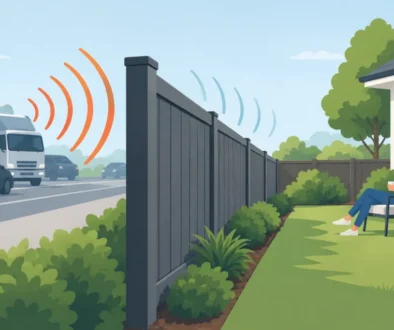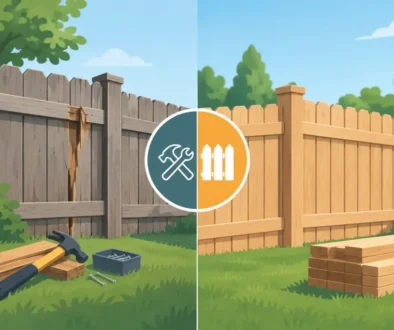
A six-foot privacy fence may be exactly what you want for a backyard, but it can be the wrong choice if it sits too close to the street, crosses a utility easement, or blocks a driver’s view at a corner. What fence height is allowed is not a single answer across the Twin Cities. It depends on where the fence will stand, how the property is zoned, and whether special rules apply to your neighborhood or project.
For homeowners, the goal is usually privacy, safety, or a more defined yard. For commercial and industrial properties, fence height often relates to perimeter security, access control, and site operations. In every case, confirming the rules before materials are ordered helps prevent expensive changes after installation.
What Fence Height Is Allowed Depends on Location
Most communities distinguish between a front yard and a side or rear yard. A fence that is appropriate in the back of a property may be limited to a lower height in the front, particularly when it is near a sidewalk, driveway, intersection, or public street.
Many residential communities commonly allow taller fences in rear yards, often around six feet, while front-yard fences are frequently limited to a lower profile. That general pattern is useful for early planning, but it is not a substitute for checking the ordinance in your specific city. Minneapolis, St. Paul, and surrounding suburbs each administer their own zoning and permit requirements. Even neighboring cities can treat setbacks, corner lots, and decorative fence styles differently.
The exact fence line matters as much as the fence itself. A fence installed along a rear lot line may qualify as a backyard fence. Move that same fence toward the front of a corner lot, however, and it may fall within a front-yard or visibility area with a lower maximum height.
Start With Your Property Layout
Before choosing a height, identify the true property boundaries. Existing posts, hedges, and old fences are not always placed on the lot line. A survey is the most reliable way to establish where your property ends, especially when a new fence will run close to a neighbor’s yard, a drainage area, or an alley.
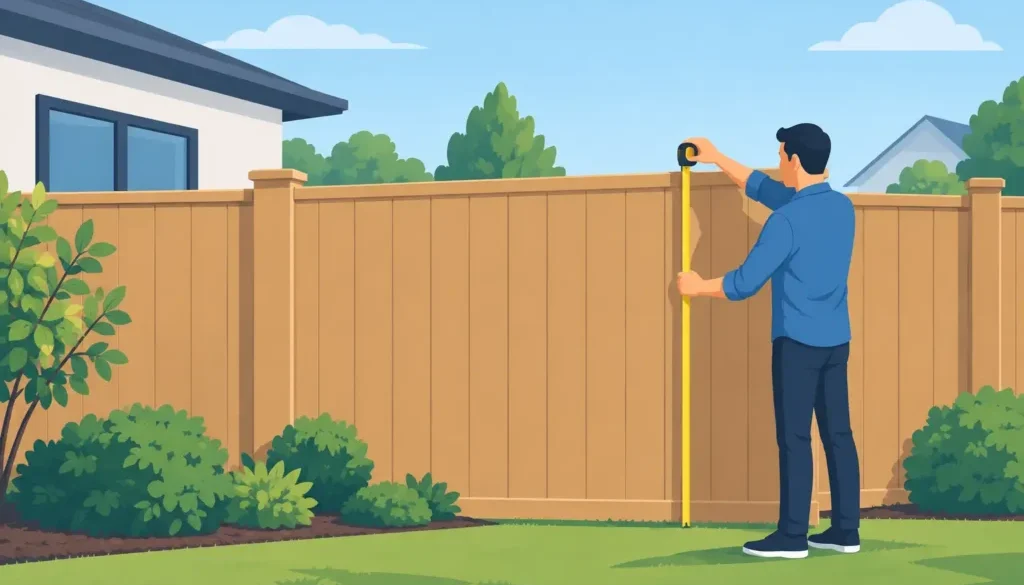
Property layout also affects how height is measured. Local rules may measure from the natural ground level, the finished grade, or another defined point. This becomes significant on sloped yards. A six-foot fence can appear much taller from the lower side of a grade change, and stepping panels to follow the slope may affect both appearance and compliance.
Be especially careful with these locations:
- Front-yard areas and fences near sidewalks or streets
- Corner lots, where sight lines at intersections must remain clear
- Driveway entrances, where a tall solid fence can limit visibility
- Drainage and utility easements, where access may be required
- Shared property lines, where boundary placement and neighbor communication matter
A well-planned fence should provide privacy or security without creating a visibility issue, restricting required access, or placing materials where they may need to be removed later.
Corner Lots Need Extra Attention
Corner lots often cause the most confusion because they can have two street-facing yard areas. A homeowner may think of one side as the backyard, while the local zoning code may classify part of it differently. A tall privacy fence that works on an interior lot may require a setback, a lower section, or a more open design on a corner property.
The same principle applies to commercial entrances. Security fencing and gates need to protect the site while keeping vehicles, pedestrians, and delivery traffic visible at access points. Good fence design accounts for both perimeter protection and safe movement in and out of the property.
Fence Type Can Affect the Rules
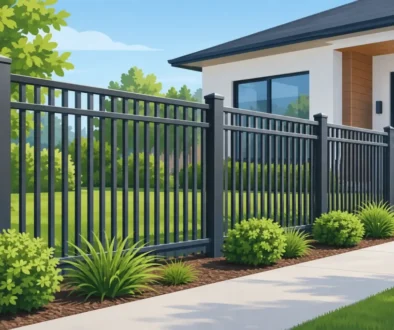
Height limits are only one part of the approval process. Some municipalities treat opaque fences differently from open-style fencing. A solid wood or vinyl privacy fence can have a greater impact on sight lines than chain-link or ornamental fencing with open pickets.
This does not mean an open fence is always allowed to be taller, or that a solid fence is always restricted. It means the material, spacing, and location can all be relevant. If your primary concern is privacy, a solid panel fence may be the right fit for a rear yard. If visibility, curb appeal, or security is the priority, ornamental steel or chain-link fencing may better serve the property and the local requirements.
Commercial and industrial projects may need taller fencing than a typical residence, particularly around equipment yards, loading areas, storage locations, or controlled-access facilities. Those projects can involve zoning review, screening standards, permits, and gate requirements. A gate operator adds another layer of planning because the gate must operate safely without obstructing public sidewalks, streets, or required access lanes.
Permits, HOAs, and Other Approvals
A city permit may be required for your fence project, depending on the municipality, height, location, and construction details. Do not assume that a contractor’s experience with one city automatically applies to another. Permit rules can vary across the Twin Cities Metro Area, and ordinances can change.
A homeowners association can also set standards that are more restrictive than the local code. Its rules may address fence height, color, material, style, placement, or approval timing. Getting HOA approval after installation is rarely a workable strategy. Review the association documents before finalizing your design, then keep written approval with your project records.
For commercial properties, property management agreements, tenant responsibilities, and landlord approvals may be part of the process. Facilities with fire lanes, emergency access routes, utility equipment, or shared drives should confirm those requirements early. The strongest fence plan is one that addresses operational needs before crews arrive on site.
How to Confirm Allowed Fence Height
The best first step is to contact the planning, zoning, or building department for the city where the property is located. Ask about maximum height by yard location, setback rules, permit requirements, and any special standards for corner lots, pools, gates, or commercial fencing.
Bring a simple site plan to the conversation whenever possible. It should show the house, lot lines, streets, driveways, sidewalks, proposed fence location, gates, and the height you are considering. Clear information leads to clearer guidance.
It is also wise to call for utility locating before any digging begins. Fence posts can interfere with buried electric, gas, cable, water, or communication lines. Utility locating does not establish property boundaries or replace permit review, but it is an essential safety step before installation.
Pool Fences Follow Separate Safety Rules
If the fence will enclose a swimming pool, do not rely only on ordinary yard-fence height limits. Pool barriers typically have separate safety standards for height, gate latches, openings, climbability, and self-closing or self-latching gates. The fence may need to meet both local zoning requirements and applicable building or safety codes.
This is one situation where professional planning has real value. A pool enclosure must protect people first, while still fitting the layout and appearance of the property.
Choose a Height That Solves the Right Problem
The tallest allowed fence is not always the best fence. A six-foot privacy fence can create a quiet, enclosed backyard, but it may make a small lot feel closed in. A four-foot ornamental fence can define a front yard and improve curb appeal, but it will not provide the privacy needed around a patio or hot tub.
Think about the result you need. For a dog enclosure, height and gate security may be the main concerns. For a business perimeter, durability, access control, and visibility may matter more. For a residential boundary, the right balance may be privacy, appearance, and long-term maintenance.
Boulevard Fence helps Twin Cities property owners match the right fence style, material, and layout to the project requirements. A professional consultation can identify practical concerns early, from grade changes and gate placement to the type of fence that best supports your privacy or security goals.
Before you settle on a height, verify the local rules, confirm your property line, and look closely at how the fence will function every day. That preparation gives you a finished fence that feels right on the property and is built to serve it for years.