
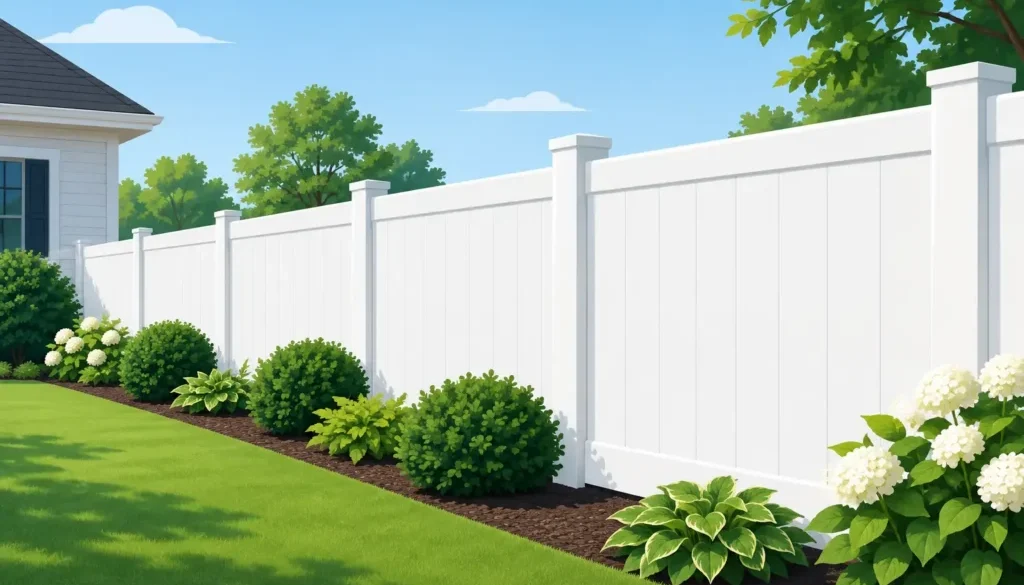
A fence should define your property, protect the people and spaces behind it, and continue looking professional after a Minnesota winter. For homeowners and property managers who would rather not spend spring weekends scraping, staining, or replacing damaged boards, vinyl fencing for low maintenance is a practical long-term choice. It delivers clean lines, reliable privacy, and a polished finish without the recurring upkeep that comes with many wood fence systems.
Vinyl is not maintenance-free, and it is not the right material for every project. Its performance depends on product quality, fence design, ground conditions, and installation. When those details are handled correctly, vinyl can be one of the most dependable ways to improve a residential or commercial property in the Twin Cities.
Why Vinyl Fencing for Low Maintenance Works
The primary advantage of vinyl fencing is that its color and finish are built into the material. Unlike painted or stained wood, it does not need periodic refinishing to maintain its appearance. A white privacy fence can remain bright and consistent for years without the peeling, fading, and chipping that often lead to major maintenance projects.
Vinyl also does not absorb moisture the way wood does. That matters in Minneapolis, St. Paul, and surrounding communities, where rain, snow, ice, and spring thaw put exterior materials through repeated wet-dry cycles. Properly made vinyl fence panels resist rot, insect damage, and splintering. Property owners do not need to worry about loose wood fibers around children, pets, patios, or common areas.
For commercial properties, that reduced upkeep can be especially valuable. A property manager may need fencing that looks orderly around dumpster enclosures, multifamily yards, pool areas, or equipment zones without adding frequent repair work to an already busy maintenance schedule. Vinyl provides a finished, consistent appearance with a modest cleaning routine.
What Maintenance Does Vinyl Actually Need?
Low maintenance does not mean ignore it forever. Most vinyl fences need a visual inspection once or twice a year and cleaning when dirt, pollen, grass clippings, or road residue become noticeable. In many cases, a garden hose and soft brush are enough. Mild soap and water can handle most surface grime.
Avoid abrasive pads, harsh solvents, and pressure washers used at close range. High pressure can force water into joints, mark the surface, or damage components if handled carelessly. It is also wise to keep landscape equipment from striking the bottom rail and posts. Vinyl resists weather well, but a direct hit from a mower, snowblower, or vehicle can damage any fence material.
Check gates as part of routine care. Hinges, latches, and gate alignment are moving components, so they may need adjustment over time. This is particularly true after frost movement or heavy use. A gate that begins to drag should be addressed early rather than forced, since small alignment issues are easier to correct before they affect the posts or hardware.
Minnesota Weather Makes Installation Quality Matter
A vinyl fence can only perform as well as the structure supporting it. Twin Cities soil conditions, frost depth, slopes, and drainage all influence how a fence should be installed. Posts need proper depth, spacing, and stabilization so they stay aligned through freeze-thaw cycles and seasonal ground movement.
This is one reason professionally installed vinyl fencing is often a better value than a quick do-it-yourself installation. A fence that looks level on installation day can develop leaning posts, sagging gates, or uneven panels if the layout and post setting were not completed correctly. Repairing those issues later can cost more than getting the foundation right at the start.
Snow management also deserves attention. Do not pile heavy snow against fence sections when clearing driveways or parking areas. Snow itself is usually not the concern. The force of a plow, compacted snowbank, or snowblower discharge can place unnecessary pressure on rails and posts. On commercial sites, clear instructions for snow-removal crews can prevent avoidable fence damage.
Privacy, Style, and Property Use
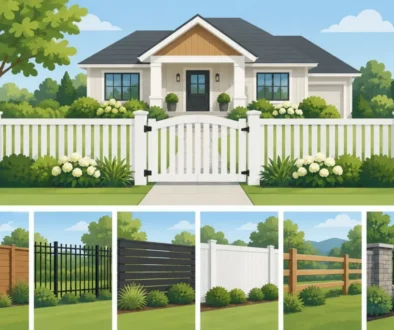
Vinyl fencing is available in more than one look. Solid privacy panels are a strong fit for backyards, patios, pool areas, and properties where screening is the priority. Semi-privacy styles allow light and airflow while still creating a clear boundary. Picket and ranch-rail designs can define a front yard, garden, or commercial landscape without closing off the view.
The right choice depends on what the fence needs to do. A family with dogs may prioritize a fully enclosed yard and a dependable self-closing gate. A multifamily property may want privacy around shared outdoor spaces while keeping a uniform appearance across the site. A business may need a clean perimeter treatment in visible areas but require chain-link or ornamental fencing in locations where higher security or visibility is more important.
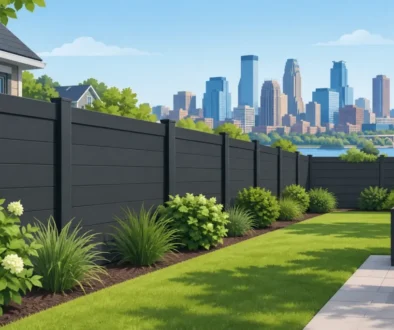
Color matters as well. White remains a popular choice because it is crisp and traditional, but tan, gray, and darker options can better complement certain siding, masonry, or landscape plans. Before selecting a style, consider the building architecture, property lines, local requirements, and how the fence will look from both sides. A well-planned fence improves curb appeal instead of feeling like an afterthought.
Where Vinyl May Not Be the Best Fit
Vinyl is a strong low-maintenance option, but it has trade-offs. It may not provide the same heavy-duty impact resistance as a commercial ornamental steel fence in high-traffic areas. For industrial security, a chain-link system with appropriate height, access control, and gates may be the more practical solution. Wood may also be preferable when a customer wants a specific custom look, natural grain, or a design that must be built around unusual site conditions.
Budget is another consideration. The initial cost of quality vinyl fencing can be higher than some basic wood options. The comparison should include more than the first invoice, though. Wood commonly requires staining, sealing, board replacement, or repairs over its service life. Vinyl often costs less time and effort to keep presentable, which can make the long-term value appealing.
Not all vinyl products are equal. Thin panels, weak rails, and low-quality hardware can compromise the result. A dependable fence system should use durable components suited to the fence height, gate openings, and expected use of the property. Ask about product construction, warranty coverage, post installation, and how gates will be supported before making a decision.
Plan the Fence Around the Whole Property
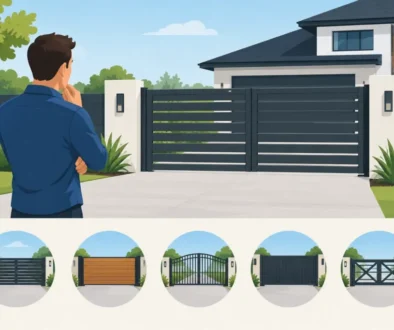
The best fencing projects start with more than a measurement. Consider grade changes, drainage paths, utility locations, landscaping, sidewalks, driveway access, and gate use. If a gate will be used daily for lawn equipment, trash service, or deliveries, its width and swing direction matter. If vehicle access is needed, a properly planned gate system can make the property safer and easier to manage.
For residential projects, Boulevard Fence can help property owners match vinyl fence style and layout to privacy, pet containment, curb appeal, and practical access needs. Commercial and industrial clients can also benefit from a coordinated approach that uses the right fencing material in the right area, rather than forcing one product to solve every perimeter challenge.
A fence is most valuable when it keeps doing its job without constantly demanding attention. Choose a vinyl system with quality materials, a design that fits the property, and installation built for local conditions. That combination gives you a boundary that looks intentional today and remains easy to live with through the seasons.